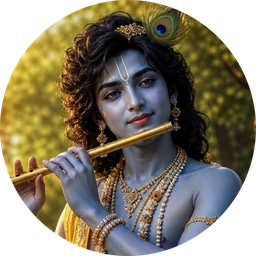
Raksha Bandhan 2026: Date, Shubh Muhurat & Bhadra Timing
Discover the exact date and Shubh Muhurat for Raksha Bandhan 2026. Learn why avoiding Bhadra Kaal is crucial for this beautiful festival of sibling love.
# Raksha Bandhan 2026: Date, Shubh Muhurat & Bhadra Timing
The cherished festival of Raksha Bandhan, a testament to the protective bond between siblings, holds deep spiritual significance. As we look towards Raksha Bandhan 2026, understanding the precise date and shubh muhurat — and avoiding the inauspicious Bhadra Kaal — is paramount. This guide ensures your celebration is filled with grace and divine protection, whether you're in the US, UK, India, Mauritius, Canada, or Australia.
Significance of Raksha Bandhan: A Timeless Bond of Protection
Raksha Bandhan, literally translating to "the bond of protection," is one of the most heartwarming and ancient festivals celebrated by Hindus across the globe. It falls on the full moon (Purnima) of the auspicious Hindu calendar month of Shravana. At its core, the festival embodies the sacred relationship between a brother and sister. A sister ties a sacred rakhi (a decorative thread or bracelet) on her brother's wrist, offering prayers for his well-being, prosperity, and long life. In return, the brother pledges lifelong protection, love, and support to his sister. This exchange is not merely a formality but a profound renewal of commitment and affection, steeped in cultural and spiritual heritage.
The essence of Raksha Bandhan transcends mere familial ties; it represents the protective aspect of dharma and the universal concept of safeguarding the weak by the strong. It's a day when the virtues of love, duty, and spiritual interconnectedness are celebrated with fervor and joy.
Historical and Mythological Roots
The traditions of Raksha Bandhan are deeply rooted in Hindu scriptures and oral histories, showcasing its enduring legacy.
- Draupadi and Krishna: One of the most poignant tales is that of Draupadi and Lord Krishna. During the Rajasuya Yajna, Krishna accidentally cut his finger. Without hesitation, Draupadi tore a strip of fabric from her sari and tied it around his bleeding wound. Touched by her spontaneous act of love and care, Krishna vowed to protect her always. This divine promise was famously fulfilled during the Mahabharata dice game when Krishna miraculously extended Draupadi's sari to protect her modesty. This narrative highlights the selfless devotion of a sister and the unwavering protection of a brother, making it a foundational story for the festival.
- Indra and Indrani: Another ancient reference comes from the Bhavishya Purana. During a battle with the _Daityas_, Lord Indra was struggling. His wife, Indrani, prepared a sacred thread, empowered by powerful mantras, and tied it around Indra's wrist. This thread, charged with divine energy, is believed to have granted Indra strength and victory. This story emphasizes the protective power of sacred threads and the spiritual support provided by a wife to her husband, extending the concept of 'raksha' beyond just siblings.
- Bali and Lakshmi: The Srimad Bhagavatam narrates how Lord Vishnu, disguised as Vamana, tricked King Bali into giving away his kingdom and banished him to the netherworld. However, pleased with Bali's devotion, Vishnu agreed to be his doorkeeper. Goddess Lakshmi, Vishnu's consort, grew anxious about his prolonged absence. She visited Bali disguised as a Brahmin woman and tied a rakhi on his wrist on Shravana Purnima, seeking hospitality. When Bali asked her what she desired, Lakshmi revealed her true identity and requested Vishnu's return. Touched by her maternal affection and devotion, Bali released Vishnu from his promise. This story exemplifies the purity of the bond and the power of love to transcend commitments.
- Rani Karnavati and Emperor Humayun: While primarily a Hindu festival, Raksha Bandhan has also inspired instances of cross-cultural unity. In the 16th century, Rani Karnavati of Chittor, facing an invasion by Bahadur Shah of Gujarat, sent a rakhi to Emperor Humayun, a Mughal ruler, seeking his protection. Humayun, recognizing the sanctity of the appeal, promptly dispatched his troops to defend her, demonstrating the universal appeal of this protective bond irrespective of religious differences.
These diverse narratives underscore that Raksha Bandhan is not just a cultural practice but a celebration of universal values: love, duty, protection, and mutual respect, deeply woven into the fabric of Indian history and spirituality.
Raksha Bandhan 2026: Date and Purnima Tithi
In 2026, Raksha Bandhan falls on Wednesday, August 5th. This date is determined by the Hindu lunar calendar, specifically the Purnima (full moon) tithi of the Shravana month. The precise timing of the Purnima tithi dictates the auspicious window for celebrating the festival.
- Purnima Tithi Begins: Morning of August 5, 2026
- Purnima Tithi Ends: Morning of August 6, 2026
For those adhering strictly to the Hindu calendar, the full moon tithi is the crucial element. While the tithi extends into August 6th, the tradition is to celebrate when the Purnima tithi is prevalent during daylight hours, or after the avoidance of inauspicious periods on the primary day.
Understanding Purnima Tithi and its Significance
Purnima, or the full moon day, is considered highly auspicious in Hinduism. Many festivals, fasts, and spiritual observances are tied to this lunar phase. The full moon represents completion, enlightenment, and the culmination of energies. In the month of Shravana, it holds special significance for several reasons:
- Shravana Month: Shravana is dedicated to Lord Shiva, with devotees observing fasts and prayers throughout the month. The Purnima of Shravana is also significant for other rituals, such as Hayagriva Jayanti (celebrating the birth of Lord Hayagriva, an incarnation of Vishnu) and Narali Purnima (primarily celebrated in western India, marking the end of the monsoon and offering coconuts to the sea god Varuna).
- Lunar Influence: The moon governs emotions and mental states. The full moon's strong gravitational pull and luminous presence are believed to amplify spiritual energies, making it an ideal time for bonding, rituals, and prayers. The calm and serene atmosphere of the full moon night is often associated with heightened spiritual awareness.
- Astrological Considerations: Astrologically, the Full Moon occurs when the Sun and Moon are in opposition, highlighting the dynamic interplay between the conscious (Sun) and subconscious (Moon) aspects of life. For Raksha Bandhan, this opposition signifies a moment of balance and mutual recognition within familial relationships, making it an astrologically potent time for affirming bonds.
Crucial Timing: Shubh Muhurat & Avoiding Bhadra Kaal
The science of Vedic astrology, or Jyotish, plays a vital role in determining the most auspicious timing (Shubh Muhurat) for any significant ritual or event. For Raksha Bandhan, this becomes especially critical due to the presence of Bhadra Kaal, an inauspicious period that must be meticulously avoided.
What is Bhadra Kaal?
Bhadra Kaal, from an astrological perspective, is considered a malefic period. It is believed to be the daughter of Surya (the Sun God) and the sister of Shani (the planet Saturn), both powerful and often formidable deities in Hindu mythology. Bhadra's nature is said to be fierce and destructive. Consequently, any auspicious work, especially sacred rituals like tying a rakhi, performed during Bhadra is strictly avoided as it is believed to bring negative results, misfortune, or hinder the blessings intended by the ritual.
The legend associated with Bhadra Kaal and Raksha Bandhan highlights its inauspicious nature:
- Shurpanakha and Ravana: One popular narration suggests that Shurpanakha, the demoness sister of the demon king Ravana, tied a rakhi to her brother during Bhadra Kaal. This act, performed during the inauspicious period, is believed by some to have contributed to Ravana's eventual downfall and the destruction of his kingdom, Lanka, as depicted in the epic Ramayana. While this specific tale might be folklore rather than scriptural, it strongly reinforces the cultural injunction against performing Raksha Bandhan rituals during Bhadra.
Therefore, ensuring that the Raksha Bandhan ceremony is performed outside of Bhadra Kaal is paramount for ensuring the purity and efficacy of the blessings sought.
Raksha Bandhan 2026 Muhurat Timings
Here are the critical timings for Raksha Bandhan 2026, calculated with precision to guide your celebrations:
| Timing Event | Start Time | End Time | |---|---|---| | Shravana Purnima Tithi | 08:30 AM, Aug 5 | 07:45 AM, Aug 6 | | Bhadra Kaal | 08:30 AM, Aug 5 | 07:15 PM, Aug 5 | | Bhadra Punchha (Tail) | 03:05 PM, Aug 5 | 04:10 PM, Aug 5 | | Bhadra Mukha (Mouth) | 04:10 PM, Aug 5 | 06:00 PM, Aug 5 | | Best Rakhi Muhurat | 07:15 PM, Aug 5 | 09:30 PM, Aug 5 |
Explanation of Timings:
- Shravana Purnima Tithi: This indicates the entire duration of the full moon phase. While it begins on the morning of August 5th and extends into the following morning, the primary day for celebrations in most regions is August 5th due to the sun's presence during the tithi.
- Bhadra Kaal: As seen, the entire day of August 5th, from the very beginning of the Purnima tithi, is affected by Bhadra Kaal until 07:15 PM. This means absolutely no rakhi-tying should happen before this time.
- Bhadra Punchha (Tail) & Bhadra Mukha (Mouth): Bhadra Kaal itself is divided into segments, with the "Mouth" (Mukha) considered the most intensely inauspicious, and the "Tail" (Punchha) slightly less so but still generally avoided for new beginnings and auspicious acts. For Raksha Bandhan, the tradition is to avoid the entire Bhadra period.
- Best Rakhi Muhurat: This is the golden window, starting precisely after Bhadra Kaal concludes. From 07:15 PM to 09:30 PM on August 5th, the cosmic energies are considered most favorable for the Raksha Bandhan ceremony, ensuring maximum blessings and positive outcomes.
Calculations: All timings provided here are based on the sidereal Lahiri Ayanamsa, a widely accepted astronomical constant in Vedic astrology, combined with Swiss Ephemeris algorithms for high precision. These calculations are then localized to a generic Indian Standard Time (IST) equivalent for broad applicability. For precise daily timings tailored to your specific geographical location and timezone, it is always recommended to consult a local Panchang or a Vedic astrologer. Many online resources, including our own, provide such localized timings; for daily timings, please check [today's Panchang](/).
Practical Considerations for Global Celebrations
Given the specific muhurat timings and the global presence of Hindu communities, planning becomes essential:
- International Time Zones: If you are in the US, Canada, EU, UK, or Australia, you will need to adjust these timings to your local time zone. For instance, if your brother is in India and it's 7:15 PM there, it might be an appropriate time in your local zone to perform a virtual ceremony or send your good wishes in alignment with the auspicious muhurat. For example, 7:15 PM IST on August 5th would be 9:45 AM EDT on August 5th.
- Virtual Celebrations: For siblings separated by distance, aligning the time of your ritual with the "Best Rakhi Muhurat" in the location where the rakhi is tied (or where the spiritual energy is desired to be concentrated, e.g., India) adds to the authenticity and adherence to astrological principles. A video call during this time, with both parties observing their respective rituals, can be a beautiful way to connect.
By respecting the shubh muhurat and meticulously avoiding Bhadra Kaal, you ensure that the rakhi tied carries the most potent blessings for both the brother and the sister, strengthening their bond both materially and spiritually.
How to Perform the Rakhi Ceremony: A Step-by-Step Guide
The Raksha Bandhan ceremony is a beautiful ritual filled with symbolism and deep spiritual meaning. While minor regional variations exist, the core steps remain consistent. Here’s a comprehensive guide to performing the Rakhi ceremony:
1. Preparation (Pre-Ceremony)
- Cleanliness and Purity: Both brother and sister should bathe and wear fresh, clean clothes. This signifies purity of body and mind before engaging in a sacred ritual.
- Prepare the Puja Thali: The "Thali" (a ceremonial plate) is central to the ritual. It should be meticulously arranged with the following items:
- Rakhi(s): The sacred thread(s). Often, sisters prepare multiple rakhis for all brothers or even male relatives they consider brothers.
- Diya/Lamp: A small oil lamp or ghee lamp, symbolizing light, prosperity, and the dispelling of darkness.
- Roli (Kumkum): Red sacred powder used for tilak, signifying auspiciousness, blessing, and good fortune.
- Chawal (Akshat): Unbroken rice grains, symbolizing abundance, fertility, and wholeness.
- Sweets (Mithai): Traditionally, Indian sweets are offered as a symbol of joy, love, and the sweetness of the sibling relationship. Kaju Katli, Ladoo, or Gulab Jamun are popular choices.
- Water (in a small pot/spoon): For purification rituals.
- Incense Sticks (Agarbatti) or Dhoop: To purify the atmosphere and offer fragrance to the deities.
- Coconut (optional): A whole coconut can be placed on the thali as a symbol of prosperity and a sacred offering.
- Small Gift (optional): The sister may have a small gift for her brother, though this is usually exchanged later.
- Aasan/Mat: A small mat for the brother to sit on, indicating respect.
2. Setting the Scene
- Seating: The brother typically sits facing east or north. The sister sits opposite him. Maintain a calm and respectful atmosphere.
- Invoke Deities: Before commencing, silently or verbally invoke Lord Ganesha (the remover of obstacles) and other family deities for blessings.
3. The Ceremony Steps
- Aarti (Waving of the Lamp):
- The sister first lights the diya on the thali.
- She then performs an "aarti" for her brother, waving the lamp clockwise in circular motions in front of his face. This gesture is symbolic of warding off evil and inviting good fortune and positive energy. While performing aarti, she recites prayers for his health, prosperity, and long life.
- Application of Tilak:
- After aarti, the sister dips her ring finger into the roli (kumkum) and then touches it to the chawal.
- She then applies a "tilak" (a vertical mark) on her brother's forehead, usually between the eyebrows (the 'ajna chakra' or third eye point). The tilak signifies spiritual blessing, wisdom, and protection.
- Tying the Rakhi:
- The sister takes the rakhi and ties it gently but firmly on the brother's right wrist. The right side is considered auspicious.
- As she ties the rakhi, she can recite a sacred mantra (see below) or offer a silent prayer from her heart for her brother's well-being and protection. The act of tying symbolizes the sister's prayer and the brother's acceptance of the bond and his pledge.
- Exchange of Sweets:
- After tying the rakhi, the sister offers sweets to her brother, symbolizing the sweetness of their relationship and shared joy.
- The brother, in turn, often offers sweets to his sister.
- Blessings and Gifts:
- The brother now formally acknowledges his pledge of protection. He often presents his sister with a gift, which can range from money to material items, as a token of his love, appreciation, and commitment to her well-being.
- The sister accepts the gift joyfully.
- Many brothers also touch their sister's feet (if older) or seek their blessings (if younger) as a sign of respect and reverence. The sister blesses her brother in return.
4. Post-Ceremony
- Offerings to Deities: Some families might offer a portion of the sweets or other items from the thali to the family deity or a temple.
- Feasting: The ceremony is often followed by a festive meal with family, reinforcing community and familial bonds.
This ceremony reinforces the deep-seated values of family, duty, spiritual love, and mutual respect. It is among the most anticipated festivals in the Hindu calendar, bringing families together and strengthening the bonds that tie them. The simplicity and profound meaning of the ritual make it accessible and cherished across generations and geographies.
Mantras for Raksha Bandhan
While tying the rakhi, it is customary for the sister to recite a sacred mantra. The most popular one is:
"Yena baddho Bali Raja, danavendro mahabalah. Tena twam anubadhnami, Rakshe ma chala ma chala."
Translation: "I tie you with the same thread by which the powerful King Bali, the king of the Asuras, was bound. O Raksha (rakhi), do not falter, do not falter."
This mantra invokes the power of the ancient pledge of protection. It refers to the story of King Bali, who, despite his immense power, was bound by a promise. The mantra asks the rakhi to be as unshakeable and faithful in its protection as that legendary bond. When reciting this mantra, both the sister and brother should focus on the essence of protection and commitment. If a sister does not know the Sanskrit mantra, a heartfelt prayer in her native language or a silent affirmation of love and protection is equally meaningful.
Regional Variations and Global Celebrations
While the core essence of Raksha Bandhan remains consistent, its celebration varies subtly across different regions of India and among the global Hindu diaspora, reflecting local customs and cultural nuances.
Across India: A Tapestry of Traditions
- North India: This is where the celebration is most synonymous with the brother-sister bond as commonly understood. The traditions of tying rakhi, applying tilak, exchanging sweets and gifts, and invoking the pledge of protection are strongly observed. Family gatherings and special feasts are common.
- Western India (Maharashtra, Gujarat, Goa): In addition to the regular Raksha Bandhan, the full moon of Shravana is also celebrated as Narali Purnima. 'Naral' means coconut, and 'Purnima' means full moon. On this day, offerings of coconuts are made to the sea god Varuna, particularly by the fishing communities along the coast. This marks the end of the monsoon season for them, signifying safer seas for fishing. Brahmanical communities also perform a ritual called Shravani Upakarma, where they change their sacred thread (Yajñopavītam) after taking a purifying bath.
- Eastern India (West Bengal, Odisha): Known as Jhulan Purnima in some parts of West Bengal and Odisha, in addition to Raksha Bandhan. It's a five-day festival dedicated to Radha and Krishna, where idols are placed on swings ('jhulan') and adorned with flowers. The rakhi ritual is also observed, often with a cultural blend.
- South India: While the brother-sister rakhi-tying tradition is now more widely adopted due to cultural diffusion, historically, the Shravana Purnima in many South Indian states is more prominently associated with Avani Avittam or Upakarma. This is a significant day for Brahmins to change their sacred thread (Yajñopavītam) and reiterate their commitment to Vedic studies. While the rakhi is now tied, the emphasis remains heavily on the Upakarma ritual. In Kerala, the festival is also known as Avani Avittam and is primarily for the change of the holy thread.
Global Diaspora: Connecting Through Culture
Hindus living outside India, whether in the USA, UK, Canada, Australia, Mauritius, or other countries, celebrate Raksha Bandhan with immense enthusiasm, often adapting traditions to their local contexts.
- Maintaining Traditions: Despite geographical distance, families strive to maintain the sanctity and rituals of the festival. This often involves:
- Sending Rakhis by Mail: Sisters living far from their brothers send rakhis through postal services, often accompanied by heartfelt letters and sweets.
- Virtual Celebrations: Video calls have become an integral part of modern Raksha Bandhan, allowing siblings to perform the ceremony virtually, sharing blessings and prayers across continents.
- Community Gatherings: Hindu temples and cultural organizations abroad often host Raksha Bandhan events, fostering a sense of community and providing a platform for celebrating the festival.
- Adapting Gifts: While traditional Indian sweets are preferred, gifts might also include items available locally, reflecting the cultural synthesis.
- Focus on the Essence: For the diaspora, Raksha Bandhan becomes an even stronger link to their roots and cultural identity. It's a day to teach younger generations about Hindu values, family bonds, and the importance of mutual respect and protection.
- Broader Interpretation: In many diaspora communities, the concept of Raksha Bandhan is sometimes extended beyond biological siblings. Individuals might tie rakhis to cousins, close friends, or even community leaders, acknowledging a bond of respect and protection that transcends immediate family. This reflects the festival's universal message of interconnectedness and safeguarding.
These regional and global variations demonstrate the dynamic and adaptable nature of Hindu traditions, always retaining their core spiritual values while embracing local flavors and contemporary lifestyles. The underlying sentiment of love, protection, and duty remains the guiding light for all celebrations of Raksha Bandhan.
Common Misconceptions and FAQs
Understanding the nuances of Raksha Bandhan helps in celebrating it with authenticity and deeper meaning. Here are some common questions and misconceptions:
FAQ
Can we celebrate Raksha Bandhan on August 6, 2026?
Technically, the Purnima tithi extends into the morning of August 6th. However, August 5th is the primary day for Raksha Bandhan. This is because the full moon tithi is predominant during the day on August 5th, and crucially, the auspicious muhurat for tying the rakhi falls on the evening of August 5th, after the Bhadra Kaal ends. While you might perform the ritual on August 6th if unavoidable, it is always preferred to celebrate on the designated day within the auspicious window.
What if my brother lives in a different country?
Sentiment matters most in such situations. If you cannot be physically together, coordinate your celebration virtually. The sister can tie the rakhi on an idol of her brother’s protecting deity (like Krishna or Ganesha) or even on her own wrist, praying for her brother's well-being. The brother can receive a rakhi sent by mail. The most important aspect is to align the timing with the "Best Rakhi Muhurat" (7:15 PM - 9:30 PM IST on August 5th), adjusting it for your respective time zones. For example, if it's 7:15 PM in India, a sister in New York (EDT) would perform her ritual around 9:45 AM on August 5th. A video call during this synchronized time can make the experience special.
What happens if you tie rakhi during Bhadra Kaal?
Traditionally, performing any auspicious act, especially tying a rakhi, during Bhadra Kaal is strictly avoided and believed to bring misfortune or negative results. The legend of Shurpanakha tying a rakhi to Ravana during Bhadra Kaal, leading to his eventual downfall, serves as a strong cautionary tale. While the exact consequences are debated, the wisdom of the Sages advises against it to ensure the blessings of the ritual are not nullified or diminished. It's better to wait for the auspicious muhurat for the best outcomes.
Is there a specific mantra to recite?
Yes, the most commonly recited mantra is: "Yena baddho Bali Raja, danavendro mahabalah. Tena twam anubadhnami, Rakshe ma chala ma chala." This mantra translates to: "I tie you with the same thread by which the powerful King Bali, the king of the Asuras, was bound. O Raksha (rakhi), do not falter, do not falter." If you do not know the Sanskrit mantra, you can offer a heartfelt prayer in your own language, asking for your brother's well-being and protection.
I don't have a brother. Can I still celebrate?
Absolutely! The spirit of Raksha Bandhan extends beyond biological brotherhood. You can:
- Tie a rakhi to a male cousin, an elder male relative, or a close male friend whom you consider a brother.
- Tie a rakhi to your father, acknowledging his role as protector and wishing him well.
- Offer a rakhi to Lord Krishna or Lord Ganesha in your puja altar. This is a beautiful way to connect with the divine protector in your life.
- Tie a "sister-rakhi" or friendship band to other women, celebrating sisterhood and mutual support.
The essence is the bond of protection, love, and respect. It even resonates with universal teachings of love and sacrifice found in various texts, including the Bible, emphasizing care for one another.
How is my horoscope (Rashifal) related to Raksha Bandhan?
Raksha Bandhan occurs during a powerful Shravana Purnima full moon. The full moon energy can intensely affect individual horoscopes (Rashifal), particularly concerning emotions, relationships, and spiritual insights. The planetary positions during this period, especially the Moon's placement and aspects, can influence your personal experiences. For instance, if the full moon creates favorable aspects in your birth chart, you might experience heightened emotional bonding, positive family interactions, or even a sense of spiritual upliftment. Conversely, challenging aspects might bring latent emotional issues to the surface. Consulting your personal Rashifal for the period around Raksha Bandhan can offer insights into how these cosmic energies might specifically affect you and your relationships, providing guidance on how to harness the positive influences and navigate any potential challenges.
Is Raksha Bandhan only for Hindus?
While Raksha Bandhan originates from Hindu traditions and is predominantly celebrated by Hindus, its core message of love, protection, and mutual respect is universal. Over time, many non-Hindus have also embraced the tradition, tying rakhis to their Hindu friends or vice-versa, as a gesture of interfaith harmony and friendship. The festival's appeal lies in its celebration of human relationships, transcending religious boundaries.
Closing Reflection: The Enduring Power of a Sacred Thread
Raksha Bandhan is more than just a festival; it is a profound cultural statement about the sanctity of family bonds and the enduring power of protection and love. It serves as an annual reminder that in a world that is constantly changing, some relationships remain eternal, rooted in duty, affection, and mutual care. The simple act of tying a thread, accompanied by prayers and vows, symbolizes a deep spiritual connection that transcends material exchanges.
As we look forward to Raksha Bandhan 2026, let us embrace the meticulous guidance of Vedic astrology regarding the Shubh Muhurat and the avoidance of Bhadra Kaal. This adherence is not mere superstition, but a time-honored practice ensuring that our intentions align with the most auspicious cosmic energies, maximizing the blessings poured into these sacred threads. Whether celebrated across continents through digital connections or within the warmth of immediate family, Raksha Bandhan fortifies the societal fabric by reinforcing the values of solidarity, compassion, and unwavering support. It is a day when every sister becomes an embodiment of divine blessings for her brother, and every brother reaffirms his role as a pillar of strength.
The threads of Rakhi, though delicate, weave together stories of courage, sacrifice, and unconditional love that span generations and cultures. May your celebration of Raksha Bandhan 2026 be filled with joy, prosperity, and the strengthening of these invaluable bonds that are truly a reflection of the divine within us all.
Explore our Vedic calendar and [blog](/blog) for more insights into Hindu festivals and traditions.