
Vedic Time
About

About Vedic Time

Vedic Time is a living Sanatan Dharma portal. We gather sacred texts, mantras, Vedic science, Hindu history, meditation guidance, and authentic Vedic astrology in one place — for seekers, sadhakas, families, and astrologers worldwide.

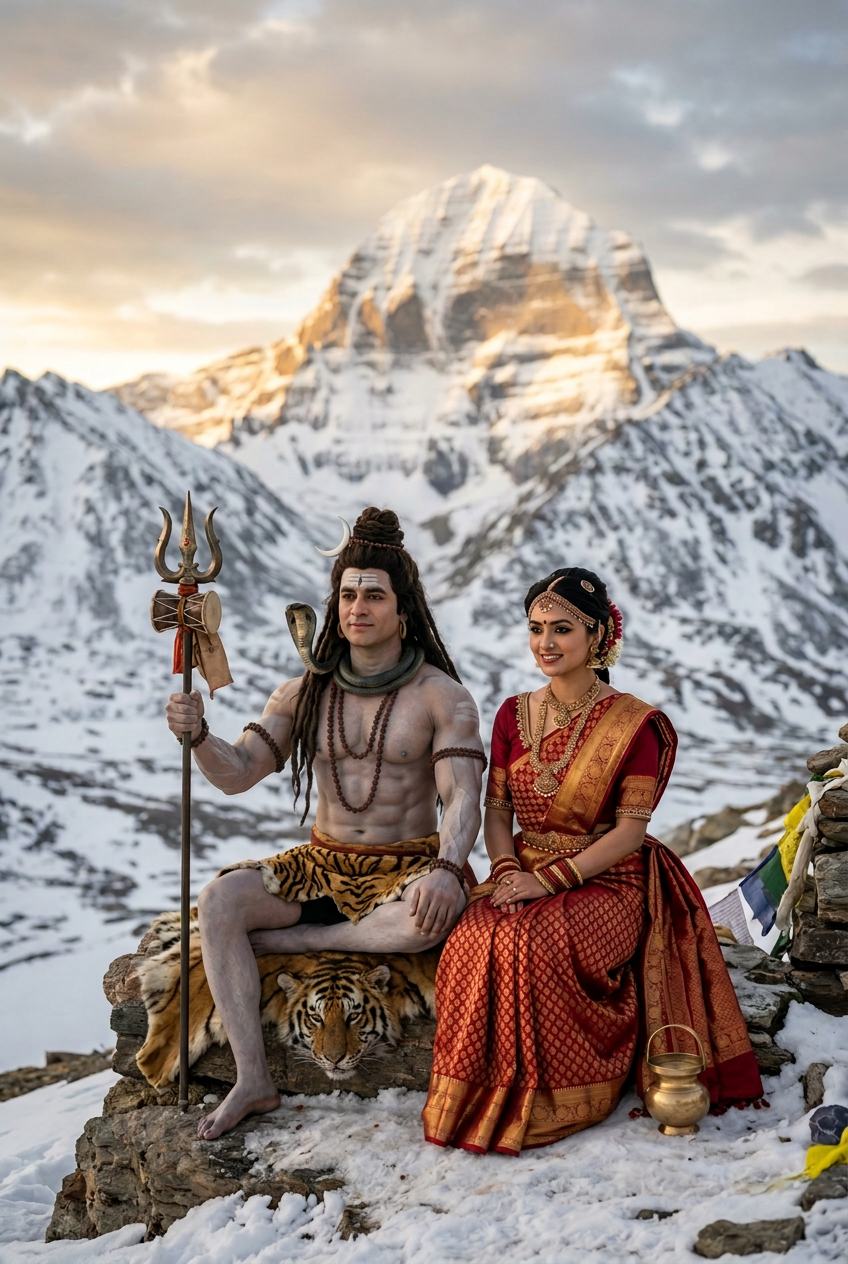
Lord Shiva and Goddess Parvati — the sacred tradition behind Vedic Time
Sanātana DharmaScripture, sacred time and practice — kept accurate and free.
23
Sahasranāma
22,000+
Sacred Names
51
Śakti Pīṭhas
10
Mahāvidyās
01

Our mission

We are here to preserve and share the wisdom of Sanatan Dharma for the next generation. We do not treat astrology as fortune-telling; we treat it as a 5,000-year-old science of self-knowledge. We do not treat mantras as mere verses; we present them as living tools for healing, meditation, and higher consciousness. Every calculation, every name, every story is rooted in authentic scripture and shared with clarity, transparency, and respect for tradition.

02

Why we exist

Much of the Hindu spiritual content online is either translated badly, reduced to shallow social-media posts, or generated by SEO farms with no understanding of why a mantra or a festival matters. We started Vedic Time because a seeker in Mauritius, a student in Toronto, a grandmother in Mumbai and a researcher in Berlin all deserve the same depth of Sanatan Dharma — and a platform that explains how to live it.

Every page is designed for a global reader first. Sanskrit terms are introduced and translated. Regional variations are flagged when they exist. Astrological dates are given in your timezone, not a generic IST default. And the underlying assumptions are open — sidereal zodiac, Lahiri Ayanamsa, Drik school — so a serious student can verify our work.

03

What we cover

  • Daily Panchang and Vedic Calendar for any location worldwide

  • Vedic Astrology — Rashi, Janma Kundali, Nakshatra, Muhurat and Gochara

  • Rashi / Horoscope — daily, weekly and monthly Rashifal for all twelve Moon signs

  • Navagraha — the nine planets, their energies and remedial guidance

  • Mantras — with meaning, benefits, pronunciation and daily practice

  • Sahasranama and Stotras — the thousand names of the Divine

  • Sanatan Dharma — the history, philosophy and living tradition of Hinduism

  • Vedic Science — the sacred knowledge of time, cosmology, numbers and sound

  • Meditation and higher consciousness — practical paths from the Vedas and Upanishads

  • Devotional listening, chants, bhajans and scriptural audio

04

How we calculate

All Panchang elements — Tithi, Nakshatra, Yoga, Karana, Rahu Kaal, Yamaganda, Gulika, Abhijit Muhurta, sunrise and sunset — are computed using sidereal positions based on the Lahiri (Chitrapaksha) Ayanamsa and astronomical algorithms derived from the Swiss Ephemeris. Times are localised to your selected city using IANA timezone data. Festivals follow the Drik (true astronomical) school. We never serve cached or estimated values for critical Muhurat windows.

05

How we research a festival, mantra or muhurat

  1. 1

    Source check. We start with at least two primary references — classical Sanskrit text plus a contemporary peer-reviewed Panchang publication.

  2. 2

    Computation. Dates, sunrise, sunset, Tithi transitions and muhurat windows are calculated freshly per request using the Lahiri Ayanamsa and the Swiss Ephemeris model. Nothing is hard-coded.

  3. 3

    Cross-check. The output is compared against three independent published Panchangs (Drik, Kashi and a regional almanac such as Mahalaxmi) before any festival date is locked.

  4. 4

    Drafting. A human editor drafts the narrative. Where AI assistance is used for phrasing or translation, the editor edits line-by-line for accuracy.

  5. 5

    Review. A second editor reads the page end-to-end against the primary sources. Only then is it published.

  6. 6

    Maintenance. Every published page carries an “updated” date. Material changes — new evidence, corrected dates, expanded explanations — bump that date and trigger a brief change-log note where significant.

06

Trust & transparency

Editorial standards

Every article, mantra, festival explainer and astrological note is researched against classical sources — the Vedas, Upanishads, Puranas, Itihasas (Ramayana and Mahabharata), Brihat Parashara Hora Shastra, Surya Siddhanta and the Drik Panchang tradition. Sacred names and stories are sourced from recognised recensions, never invented. We disclose AI-assisted drafting where used, and every page is dated. See our editorial policy for the full process.

Independence & funding

Vedic Time is independent. We do not sell rituals, charge for readings, or accept paid placements in our calendar. The site is supported by display advertising and a small number of clearly-marked sponsor banners. Our calculations, editorial content and spiritual guidance are never influenced by advertisers.

Who writes this site

Vedic Time is produced by a small editorial and spiritual research team across India, Mauritius and Europe. Articles on Jyotish, Panchang, mantras and Sanatan Dharma are written or reviewed by editors with training in Sanskrit and years of practical study. Software, calculations and the Ayanamsa pipeline are maintained by an in-house engineer. The team is intentionally small so every page can be reviewed by a named human before publication.

We do not publish anonymous spiritual advice and we do not run a content farm. If an article carries no byline, the editorial team collectively owns the page — not that no one is responsible for it. Email us and a human replies.

07

Frequently asked questions

Is the site free?+
Yes. Every calculation, festival date, mantra, Sahasranama and horoscope is free to read with no account required. Optional account features (saved birth chart, comments, bookmarks) are also free.
Why are some articles long?+
Because Jyotish, mantras, festivals and Sanatan Dharma carry real depth. We would rather take 2,500 words to explain a mantra, a graha or a tithi correctly than write a shallow summary that misleads.
Do you offer personal readings or rituals?+
No. We deliberately do not sell paid Jyotish consultations, puja bookings or ritual services. We point readers toward qualified astrologers or temples in their own tradition where needed. This boundary keeps our editorial line clean.
Why English, Hindi, French and Russian?+
These four languages cover most of our actual reader base today. We add languages when we have a qualified human translator who can edit, not just translate. Machine-only translations are not published.
Can I republish your content?+
Short excerpts with a link back are welcome. Wholesale republishing of full articles or calculations is not permitted — see our Terms of Use.
How do you handle factual disputes?+
Email hello@vedic-panchang.online with the page and the specific claim. A human editor reviews the source; if your correction holds, we publish the fix within 48 hours with an “Updated” stamp.
08

Get in touch

Found an error in a date, a translation, a mantra meaning or a calculation? We want to know. Write to us at hello@vedic-panchang.online or via the contact page.

Write to us

Found this helpful? Share this page with family and fellow seekers.