Holi 2026: Date, Holika Dahan Muhurat & The Ultimate Spiritual Guide
When is Holi in 2026? Explore the exact Holika Dahan muhurat, dates for Choti and Rangwali Holi, and the profound spiritual significance of this vibrant Vedic festival.
# Holi 2026: Date, Holika Dahan Muhurat & The Ultimate Spiritual Guide
The air begins to hum with a palpable sense of joy and renewal long before the colors fly. This is the magic of Holi, the ancient Vedic festival of spring, love, and the triumph of good over evil. As we look forward to the festivities, many are asking: when is Holi 2026? In 2026, the two-day festival of Holi will be celebrated on March 3rd and March 4th. This guide takes you through the precise timings, the profound stories, and the spiritual heart of this globally cherished celebration — from India to the US, UK, and beyond.
Holi: A Symphony of Spring, Devotion, and Community Spirit
Holi is not merely a festival of colors; it is a profound cultural and spiritual phenomenon deeply rooted in the Vedic traditions of India. It marks the end of winter and the joyful arrival of spring, a season of regeneration, fertility, and new beginnings. Across India and among the Hindu diaspora, Holi symbolizes the victory of good over evil, the triumph of devotion over arrogance, and the rekindling of social bonds. Its effervescent energy permeates every aspect of life, calling people to shed their inhibitions and celebrate life itself.
This vibrant festival, often depicted with people drenching each other in brilliant hues, carries layers of meaning. From the solemn ritual of Holika Dahan, which spiritual purifies the atmosphere, to the exuberant play of Rangwali Holi, where differences dissolve in a riot of color, Holi encapsulates the full spectrum of Hindu spiritual and social life. It's a time for forgiveness, for sharing joy, and for reaffirming faith.
Holi 2026: Key Dates & Purnima Timings
Understanding the precise dates and timings is crucial for observing Holi rituals correctly. The festival is intrinsically linked to the lunar calendar, specifically the full moon (Purnima Tithi) of the Hindu month of Phalguna.
- Holika Dahan / Choti Holi: Tuesday, March 3, 2026
- Rangwali Holi / Dhulandi: Wednesday, March 4, 2026
Phalguna Purnima Tithi Begins: 02:22 PM on March 3, 2026 Phalguna Purnima Tithi Ends: 04:37 PM on March 4, 2026
The precise timing of the Purnima Tithi (full moon phase) is vital because Holika Dahan is traditionally performed on the evening of Phalguna Purnima. The beginning and end times of this lunar day dictate the auspicious window for the sacred bonfire.
Holika Dahan 2026: The Sacred Fire Muhurat
Holika Dahan is the spiritual core of Holi. On this evening, communities gather to light bonfires, commemorating the pivotal event where devotion triumphed over evil. The bonfire symbolizes burning away negativity, ego, and all forms of spiritual impurities, mirroring the ancient story of Prahlada.
The ritual is performed during Pradosh Kaal, which is the period just after sunset. It is critical to avoid the inauspicious Bhadra period, which is considered malefic for any positive ritual. Performing Holika Dahan during the prescribed Muhurat ensures maximum spiritual benefits and adherence to Vedic traditions.
Global Holika Dahan Muhurat for 2026
The auspicious timing for Holika Dahan varies by geographical location, influenced by local sunset times. Below are specific Muhurat (auspicious timings) for key cities around the world:
| City | Country | Holika Dahan Muhurat | Duration | | :---------------- | :------ | :-------------------- | :------- | | New Delhi | India | 06:22 PM - 08:48 PM | 2h 26m | | Mumbai | India | 06:40 PM - 09:06 PM | 2h 26m | | London | UK | 05:54 PM - 08:11 PM | 2h 17m | | New York | USA (EST) | 05:46 PM - 08:08 PM | 2h 22m | | Chicago | USA (CST) | 05:49 PM - 08:06 PM | 2h 17m | | San Francisco | USA (PST) | 06:04 PM - 08:23 PM | 2h 19m | | Toronto | Canada | 06:05 PM - 08:28 PM | 2h 23m | | Port Louis | Mauritius | 06:17 PM - 08:48 PM | 2h 31m | | Sydney | Australia | 07:31 PM - 09:44 PM | 2h 13m |
Calculation Basis for Muhurat Timings
All festival timings provided, including the critical Holika Dahan Muhurat, are meticulously calculated using sidereal Lahiri Ayanamsa and Swiss Ephemeris algorithms. These advanced astrological and astronomical computation methods ensure precision, as they account for the actual positions of celestial bodies. Furthermore, these timings are localized to your specific timezone, providing accurate guidance regardless of your geographical location. This scientific and traditional approach ensures that devotees worldwide can observe the rituals with authenticity. For a deeper understanding of how planetary positions might personally affect you, consulting your individual [Rashifal (Horoscope)] is recommended.
The Enduring Epic: The Story of Holika & Prahlada
The narrative of Holika and Prahlada is the cornerstone of Holika Dahan, a tale recounted in the Bhagavata Purana, particularly the Canto 7, which vividly describes the devotion of Prahlada and the ultimate defeat of tyranny. It is a powerful allegory for the triumph of unwavering faith and righteousness over pride and evil.
Hiranyakashipu's Arrogance and the Boon
The story begins with the mighty Asura king, Hiranyakashipu, who, through severe penance, received a powerful boon from Lord Brahma. This boon made him virtually immortal: he could not be killed by man or beast, indoors or outdoors, by day or night, by any weapon, on land or in water or air. Intoxicated by this power, Hiranyakashipu became arrogant, declaring himself the supreme god and demanding that everyone in his kingdom worship him alone.
Prahlada's Unwavering Devotion
However, his own son, Prahlada, defied him. From birth, Prahlada was naturally inclined towards devotion to Lord Vishnu, the preserver of the universe. Despite his father's threats and punishments, Prahlada refused to worship Hiranyakashipu, continually chanting the name of Vishnu. This act of defiance infuriated Hiranyakashipu, who saw his son's devotion as a grave insult and a challenge to his authority.
Holika's Fiery Demise
Driven by rage, Hiranyakashipu devised numerous schemes to kill Prahlada, but divine intervention always protected the boy. Finally, he turned to his sister, Holika, who possessed a unique boon: a special shawl that made her immune to fire. Hiranyakashipu commanded Holika to sit on a blazing pyre with Prahlada in her lap, hoping that the flames would consume his son while his sister remained unharmed.
However, the boon was meant to protect Holika only if she entered the fire alone and with pure intentions. According to some interpretations, the boon had a condition that it would only work if she wore the shawl and had no malicious intent. As she sat with Prahlada, her malicious intent to harm an innocent devotee of Vishnu negated her boon. The Bhagavat Purana states that by the grace of Lord Vishnu, a strong gust of wind blew Holika's protective shawl onto Prahlada. Miraculously, Holika was consumed by the flames, while Prahlada emerged from the inferno completely unharmed, continuously chanting "Om Namo Narayanaya."
Lord Narasimha: The Divine Intervention
Hiranyakashipu's tyranny ultimately ended when Lord Vishnu manifested as Narasimha – a half-man, half-lion incarnation – to circumvent Brahma's boon and destroy the demonic king. Narasimha appeared at dusk (neither day nor night), at the threshold of a courtyard (neither indoors nor outdoors), placed Hiranyakashipu on his lap (neither on land, water, nor air), and tore him apart with his claws (neither a weapon nor a living being as per Brahma's boon's constraints).
The story of Holika and Prahlada underscores the deep spiritual lesson that true devotion is always protected, and evil, no matter how powerful, is ultimately ephemeral and self-destructive. It teaches us the importance of unwavering faith in the face of adversity and reinforces the belief that righteousness (dharma) will always prevail. Devotees commemorate this victory by performing Holika Dahan, symbolically burning away their own inner demons and negativities, while circumambulating the sacred fire and chanting powerful [mantras], seeking purification and spiritual renewal.
The Two Faces of Holi: Choti Holi vs Rangwali Holi
Holi is a two-day festival, with each day carrying distinct spiritual and social significance. These two days, Choti Holi (Holika Dahan) and Rangwali Holi (Dhulandi), provide a beautiful balance between religious observance and exuberant celebration.
Choti Holi (March 3, 2026): The Night of Purification and Reflection
Choti Holi, also known as Holika Dahan, is observed on the evening of Phalguna Purnima. This day is marked by solemnity and spiritual reflection:
- The Bonfire: As dusk settles, communities gather to light the massive bonfires. These pyres are prepared weeks in advance, often made from wood, dry leaves, and effigies of Holika. The lighting of the bonfire is a deeply symbolic act.
- Rituals & Offerings: Before lighting, an idol of Prahlada is often placed near the pyre, and offerings such as raw mangoes, coconut, corn, rice, flowers, and sweets are made to the fire god, Agni. Devotees circumambulate the fire, reverently offering prayers and reciting mantras. This act signifies the shedding of negative energies and the burning of one's ego and materialistic desires.
- Symbolism of Purity: This night is about cleansing and purification. The smoke from the bonfire is believed to purify the atmosphere and ward off evil spirits, creating a sacred space for the joyous celebrations to follow. It's a night for introspection, for acknowledging personal shortcomings, and for resolving to embrace positivity.
Rangwali Holi (March 4, 2026): A Kaleidoscope of Joy and Unity
The morning after Holika Dahan dawns with an atmosphere of unbridled joy and camaraderie. Rangwali Holi, also known as Dhulandi, is the day for playful abandon and social communion:
- Play with Colors: This is the day when people discard their inhibitions and societal distinctions. Streets, parks, and homes transform into vibrant canvases as people throw colored powders (gulal) and drench each other in colored water (using pichkaris or water balloons). The colors symbolize life, energy, and the joyous return of spring.
- Breaking Barriers: In the spirit of Holi, social hierarchies, age differences, and personal grudges are momentarily forgotten. Everyone becomes equal in the playful chaos of colors. It's a time for forgiveness, for extending friendship, and for strengthening community bonds. The enthusiastic shout of "Holi Hai!" (It's Holi!) fills the air, echoing the collective merriment.
- Sweets and Feasting: No Indian festival is complete without delicious food. Families prepare special delicacies like Gujiya (fried sweet dumplings), Malpua (sweet pancakes), and Thandai (a refreshing milk-based drink). Friends and family visit each other's homes, sharing sweets, embracing, and exchanging good wishes.
- Music and Dance: Folk songs, traditional Holi music, and energetic dance performances are integral to the celebrations, adding to the festive fervor. Many communities organize cultural events and performances that showcase the rich traditions associated with Holi.
Together, Choti Holi and Rangwali Holi create a holistic experience, intertwining spiritual reflection with exuberant human connection, making Holi a truly unique and cherished festival.
The Historical & Scriptural Tapestry of Holi
While the story of Prahlada and Holika is central, Holi's roots delve much deeper into India's ancient history and scriptural traditions, revealing a multi-layered significance beyond just the triumph of good over evil.
Vedic Origins and Early Mention
The earliest references to a festival resembling Holi can be found in the ancient Vedic texts. The _Jaiminiya Mimamsa Sutra_ and _Kathaka Grhya Sutra_ mention a festival known as 'Holakā,' which was likely an early precursor to the modern Holi. These ancient texts suggest a celebration around the full moon of Phalguna, involving offerings and rituals related to fertility and the harvest.
The word "Holaka" is also believed to be linked to the harvest of particular grains that ripen during spring. The burning of the remaining dry leaves and branches in the communal bonfire could be seen as an agricultural practice to clear fields for the new spring crops, symbolically linking the physical act of cleaning with spiritual purification.
Puranic Narratives and Diverse Leelas
Beyond the Bhagavata Purana's account of Prahlada, other Puranas and ancient texts associate Holi with various divine narratives:
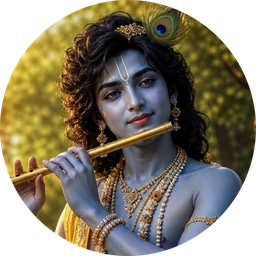
- Krishna Leela (Braj Region): Perhaps the most beloved association is with Lord Krishna and Radha. The _Garga Samhita_ and other texts describe Krishna's playful interactions with Radha and the Gopis (milkmaids) of Vrindavan and Barsana. Krishna, feeling insecure about his dark complexion compared to Radha's fair skin, complained to his mother Yashoda. She playfully suggested he smear Radha's face with color, leading to the tradition of playing with colors. This playful 'leela' (divine play) has become synonymous with Holi in the Braj region (Mathura, Vrindavan, Barsana, Nandgaon), where festivals like Lathmar Holi reenact these divine frolics. This aspect of Holi celebrates divine love, equality, and the joyful overturning of social norms.
- Kamadeva's Sacrifice: Another lesser-known legend, popular in South India, links Holi to Lord Shiva and Kamadeva (the god of love). According to the Shiva Purana, Kamadeva tried to disturb Lord Shiva's intense meditation to help the gods bring him out of his trance and marry Parvati. Shiva, angered, opened his third eye and burned Kamadeva to ashes. Rati, Kamadeva's wife, pleaded with Shiva to restore her husband. Shiva, moved by her devotion, brought Kamadeva back to life, though in an invisible form. The day Kamadeva was resurrected is sometimes celebrated as a significant event during Holi, particularly as an ode to love and rebirth.
- Dhundi's Banishment: The _Skanda Purana_ describes the legend of a ogress named Dhundi, who plagued children. She was eventually chased away by the pranks and shouts of children after the Holi bonfire was lit, signifying the triumph of innocent play and collective action over malevolent forces.
These diverse narratives highlight Holi's multifaceted nature – celebrating not just the victory of good over evil, but also divine love, seasonal change, and community solidarity.
Evolution and Adaptations
Over centuries, Holi has evolved, incorporating regional customs and practices. From its Vedic origins as a harvest festival and a celebration of fertility, it transformed into a festival deeply integrated with Puranic lore and the vibrant bhakti (devotional) movement. The symbolic bonfire of Holika Dahan became a potent reminder of spiritual fortitude, while the playful splashing of colors became a metaphor for shedding differences and embracing unity.
The festival's adaptability and rich underlying spiritual messages have allowed it to endure and flourish, not just in India but across the globe, becoming a testament to the timeless appeal of its core values.
Step-by-Step Rituals for Holika Dahan
Observing Holika Dahan is a sacred practice that involves specific rituals to purify and invoke blessings. Here’s a general guide to performing the Puja:
- Preparation of the Holika Pyre:
- In the days leading up to Holi, communities gather wood, cow dung cakes, and thorny branches to build a large pyre.
- An effigy of Holika, often made of combustible material, is usually placed on top of the pyre.
- A small idol of Prahlada, typically made of non-combustible material, is often placed symbolically within or near the pyre, signifying protection.
- Gathering Puja Materials:
- Kumkum (vermilion), Akshat (rice grains): For offerings and auspicious markings.
- Flowers: Fresh flowers are offered to the deities.
- Raw Cotton Thread (Mauli/Kalawa): Used for circumambulation and tying around the pyre.
- Turmeric (Haldi) Paste: For purification and auspiciousness.
- Water (Gangajal or regular clean water): For purification and libations.
- Sweet Offerings (Puri, Ladoo, Gujiya, etc.): To offer to Agni Devta (fire god) and other deities.
- Incense Sticks (Agarbatti) and Lamp (Diya): For invoking divine presence.
- Grains (Mung/Wheat/Chana), Coconut, Mango Blossoms: Seasonal offerings to symbolize prosperity and new harvest.
- Holika Dahan Puja (during the Muhurat):
- Purification: Sprinkle Gangajal around the puja area and on yourself to purify.
- Sankalpa (Intention): Mentally (or verbally) declare your intention to perform the puja for well-being, the destruction of evil, and the victory of dharma.
- Garland the Pyre: Circumambulate the Holika pyre with the raw cotton thread, tying it around the pyre seven times (or as per local custom). This act creates a protective sacred boundary.
- Offerings to Agni: Offer the Kumkum, Akshat, flowers, turmeric paste, and sweet offerings to the pyre. Some people also offer ripe ears of wheat or barley (known as Holak), symbolizing the harvest.
- Lighting the Pyre: The bonfire is lit by a head of the family or a designated priest, strictly observing the Holika Dahan Muhurat to avoid the Bhadra Kaal.
- Circumambulation and Mantras: As the fire burns, devotees walk around it (parikrama) 3, 5, or 7 times, chanting mantras. A common mantra (stotra) to Prahlada is often recited, such as:
ॐ नृसिंहाय नमः (Om Nri-sim-haya Namah) - _Salutations to Lord Narasimha_ And prayers for removing evil: एहि अग्नि मया दत्तं, होलिके प्रति गृह्यताम्। गृह्यताम् अर्घ्यदानं च, सर्वेषां सुख वृद्धिदम्॥ (Ehi Agni Maya Dattah, Holike Prati Grihyatam. Grihyatam Arghyadanam Cha, Sarvesham Sukha Vriddhidam.) _O Agni, accept this offering from me, O Holika. Accept this auspicious offering, which brings happiness and growth to all._
- Collecting Ashes (Bhasma): After the fire has died down and cooled, some devotees collect a small amount of the sacred ashes (bhasma). These ashes are considered auspicious and are sometimes applied to the forehead as a tilak, believed to bring good fortune and protect against evil.
By diligently following these steps, devotees connect with the spiritual essence of Holika Dahan, reinforcing their faith and seeking blessings for peace and prosperity.
Regional Variations: Holi Across the Globe
Holi's jubilant spirit and underlying messages resonate across cultures and continents, resulting in a fascinating mosaic of regional celebrations, each with its unique flavor and traditions.
India: A Land of Diverse Holi Celebrations
Within India itself, Holi takes on myriad forms, adapting to local legends, customs, and agricultural cycles:
- Braj Region (Uttar Pradesh - Mathura, Vrindavan, Barsana, Nandgaon): This is the heartland of Krishna's legends, and Holi here is an extended, week-long affair.
- Lathmar Holi (Barsana): Famous for its spirited tradition, women of Barsana playfully beat men from Nandgaon with sticks (lathis) while the men try to shield themselves. This re-enacts Radha and her friends chasing Krishna and his cowherd friends.
- Phoolon Ki Holi (Vrindavan, Mathura): Played with flowers instead of colors, often at temples, to celebrate Krishna's gentle and loving nature.
- Widows' Holi (Vrindavan): A more recent tradition where widows, traditionally excluded from festive celebrations, bravely participate in playing with colors, symbolizing breaking societal taboos and embracing joy.
- West Bengal (Shantiniketan & Urban Areas):
- Basant Utsav: Started by Rabindranath Tagore at Visva-Bharati University in Shantiniketan, it's celebrated with cultural programs, folk dances, musical performances, and students welcoming spring dressed in saffron-colored attire. It's a gentler, more artistic celebration focused on the aesthetic beauty of spring.
- Dol Jatra: In urban Bengal, idols of Radha and Krishna are placed on palanquins, decorated with flowers and colors, and carried in processions, while devotees sing devotional songs and spray color.
- Odisha: Similar to Bengal, known as 'Dola Yatra,' where idols of Jagannath (a form of Krishna) are taken out in grand processions.
- Bihar: Holi celebrated locally as 'Phagwa,' accompanied by folk songs (Phagua) and traditional dishes.
- Punjab:
- Hola Mohalla: A Sikh festival celebrated a day after Holi, initiated by Guru Gobind Singh. It features martial arts, mock battles, horse riding, and poetry, demonstrating the martial prowess of the Khalsa.
- Tamil Nadu and Kerala: In these southern states, Holi is not as prominent as in the North, but communities of North Indian origin celebrate it. The Kamadeva legend is more central, and people may worship Kamadeva on this day.
- Goa: Known as 'Shigmo,' it's a spring festival that includes traditional folk dances, parades, and floats, similar to a carnival, culminating in the joyous color play.
- Maharashtra: Known as 'Shimga,' bonfires are central, and Puran Poli (sweet flatbread) is a popular dish.
Global Celebrations: Holi Beyond India
The diaspora has taken Holi to every corner of the world, adapting it to local contexts while retaining its core essence:
- Holi in USA, UK, Canada, Australia: These countries host major public Holi events, especially in cities with significant Hindu populations. Parks and community centers become venues for large-scale color festivals with music (Bollywood and traditional), Indian food stalls, and organized color throwing. These celebrations often serve as cultural exchange events, drawing participants from all backgrounds and faiths. Universities and cultural organizations play a key role in organizing these events.
- Holi in Nepal: Known as 'Phagu Purnima,' similar to India, but with its own regional flair, including unique songs and traditions. The celebrations in the Kathmandu Valley are particularly vibrant.
- Holi in Mauritius: Due to its large Hindu population (approximately 50%), Holi is a public holiday in Mauritius. The entire island celebrates with immense enthusiasm. Communities gather, prepare traditional sweets, and engage in joyous play with colors and water. Holi serves as a powerful reminder of cultural heritage and community unity.
- Holi in Fiji, Trinidad and Tobago, Guyana, Suriname: Countries with significant Indian indentured labor history celebrate Holi vigorously. Known as 'Phagwah' in many of these nations, it retains strong traditional elements with devotional songs (Chaupai), folk music (Dhamaal), and community feasts, blending with local Caribbean or Pacific influences.
- Holi in Europe (Germany, France, Spain): While not traditional holidays, 'Festival of Colors' events, inspired by Holi, are popular modern events, drawing thousands to celebrate spring and unity through color and music. These secularized versions often introduce the joyous aspect of Holi to broader audiences.
Across these diverse landscapes, Holi remains a powerful testament to human resilience, the celebration of spring, and the universal longing for harmony and joy. It is a festival that truly unites, proving that no matter where you are, the message of light over darkness and love over animosity resonates deeply. Whether checking [today's Panchang (daily almanac)] or exploring the [Bible], the message of light over darkness resonates.
Practical Steps for a Safe and Joyful Holi
While Holi is a festival of unbridled joy, it's also important to celebrate responsibly and safely.
Before Rangwali Holi: Preparation is Key
- Protect Skin and Hair: Apply a generous layer of oil (coconut, mustard, or olive) to your skin and hair before playing. This creates a protective barrier, preventing colors from sticking and making them easier to wash off.
- Wear Old Clothes: Choose clothes that you don't mind getting stained. Dark, old clothing is ideal.
- Nail Protection: Apply clear nail polish to your nails to prevent them from staining.
- Hydrate: Drink plenty of water before and during the celebrations to stay hydrated, especially if playing outdoors for extended periods.
During Rangwali Holi: Embrace the Spirit
- Use Organic Colors: Whenever possible, opt for natural, herbal, or organic gulal (powdered colors). These are gentler on the skin and eco-friendly. Avoid chemical-laden or metallic colors which can cause skin irritation or eye problems.
- Eye Protection: Wear sunglasses or goggles to protect your eyes from powdered colors and colored water. If color gets into your eyes, rinse immediately with clean water.
- Respect Boundaries: Not everyone enjoys playing with colors or water. Respect individual preferences and avoid forcing anyone to participate.
- Avoid Harassment: Holi is a festival of joy and respect. Any form of harassment, inappropriate touching, or throwing colors at unwilling participants is unacceptable and goes against the spirit of the festival.
- Be Mindful of Animals: Pets and street animals can be sensitive to colors. Avoid throwing colors on them.
After Rangwali Holi: Clean-up and Care
- Gentle Cleansing: Do not rub your skin vigorously while trying to remove colors. Use a mild soap or a homemade paste of gram flour (besan) and curd for gentle exfoliation.
- Moisturize: After showering, moisturize your skin heavily to prevent dryness.
- Hair Care: Shampoo your hair thoroughly, perhaps with a mild herbal shampoo, and condition it well to restore moisture.
By following these simple tips, everyone can ensure a safe, enjoyable, and truly memorable Holi experience, preserving the spirit of unity and joy that the festival embodies.
Common Misconceptions About Holi
Like many ancient traditions, Holi is occasionally misunderstood. Addressing these misconceptions contributes to a more informed and inclusive understanding of the festival.
- Misconception 1: "Holi is just about throwing colors."
- Reality: While color play is the most visible aspect, it is only one component. The spiritual foundation lies in Holika Dahan, which commemorates victory over evil and purification. There are also elaborate rituals, traditional foods, folk music, and social gatherings integral to the full celebration. The colors themselves are symbolic of diversity, unity, and the vibrancy of spring.
- Misconception 2: "Holi is celebrated only in India."
- Reality: Holi is a global festival. Due to the Hindu diaspora, it is celebrated with immense fervor in countries like Nepal, Mauritius, Fiji, Guyana, Trinidad and Tobago, Suriname, and increasingly by non-Hindus in the USA, UK, Canada, and Europe through various 'Festival of Colors' events.
- Misconception 3: "All colors used in Holi are safe."
- Reality: Unfortunately, this is not always true. Traditionally, colors were made from natural ingredients like turmeric, neem, henna, and flower extracts. However, commercialization led to the introduction of synthetic colors containing chemicals, dyes, and even heavy metals, which can be harmful to skin, hair, and eyes. It is crucial to choose organic, natural, or herbal gulal to ensure safety.
- Misconception 4: "Holi is only a Hindu festival."
- Reality: Its origins are deeply rooted in Vedic and Hindu traditions, but its joyous and inclusive nature has transcended religious boundaries. Many non-Hindus participate in Holi celebrations, particularly in India, but also globally, appreciating its message of unity, friendship, and the breaking down of social barriers. It has cultural and social significance that goes beyond specific religious doctrine for many participants.
- Misconception 5: "Holi is an excuse for rowdy behavior."
- Reality: While Holi encourages playful abandon, it is never an excuse for disrespect, harassment, or harming others. The spirit of Holi is about mutual respect, joy, and goodwill. Any behavior that makes others feel unsafe or uncomfortable goes against the essence of the festival. Responsible and consensual participation is paramount.
- Misconception 6: "Any time is fine for Holika Dahan."
- Reality: This is a significant ritual misunderstanding. Holika Dahan must be performed during the auspicious Holika Dahan Muhurat, specifically avoiding the inauspicious Bhadra period. Performing the ritual outside the prescribed timings is considered counterproductive and may not yield the desired spiritual benefits.
By dispelling these myths, we can foster a more accurate appreciation for Holi's profound cultural, spiritual, and social significance, encouraging respectful and joyful participation from everyone.
FAQs: Your Quick Guide to Holi 2026
To further clarify common queries about Holi, here’s a comprehensive FAQ section addressing the most frequent questions from a global audience.
What is the real reason for celebrating Holi?
Spiritually, Holi celebrates the victory of good over evil, epitomized by the legend of Prahlada and Holika, and the triumph of devotion. Culturally, it's a vibrant welcome to spring, celebrating fertility, new beginnings, and community bonding. It's also strongly associated with Lord Krishna's playful Leela with Radha and the Gopis.
Why does Holi last for two days?
The two days serve distinct purposes. The first day, Choti Holi (Holika Dahan), is more spiritual and solemn, focused on performing rituals including the lighting of the bonfire symbolizing purification and the burning of evil. The second day, Rangwali Holi (Dhulandi), is purely for joyful celebration, social interaction, and playing with colors and water. This allows families to observe religious rites respectfully before engaging in boisterous festivities.
Which Hindu month is Holi celebrated in?
Holi is celebrated on the Purnima (full moon) of the Hindu calendar month of Phalguna. This typically falls in late February or March according to the Gregorian calendar.
Can I light the Holika fire at any time during the evening?
No, it is highly recommended to observe the prescribed Holika Dahan Muhurat. This specific window is astrologically calculated to be the most auspicious time. It is crucial to avoid the Bhadra Kaal, an inauspicious period during which performing any beneficial ritual, including Holika Dahan, is considered unfavorable.
What do the colors signify during Rangwali Holi?
The vibrant colors used during Holi carry deep symbolism:
- Red: Love, passion, fertility, and auspiciousness.
- Green: New beginnings, nature, and vitality.
- Yellow: Piety, knowledge, and happiness.
- Blue: The color of Lord Krishna, calmness, and depth.
- Pink: Care, compassion, and joy.
Overall, they represent the multifaceted beauty of life, the arrival of spring, and the breaking down of social barriers where everyone is united in a cascade of colors.
Is Holi only celebrated by Hindus?
While Holi originates from Vedic Hinduism, its universal message of unity, joy, and the triumph of good over evil has transcended religious boundaries. Many non-Hindus, both in India and globally, enthusiastically participate in Holi celebrations, appreciating its cultural significance and fun-filled nature. It has become a festival synonymous with celebrating spring and human connection for people of all faiths and backgrounds.
What should I wear for Holi?
It is customary to wear old, comfortable clothes, preferably light-colored ones that you don't mind getting stained. White clothing is popular as it beautifully showcases the array of colors. For protection, some people prefer wearing full-sleeved shirts and trousers. Remember to apply oil to your skin and hair beforehand to prevent colors from sticking.
A Closing Reflection on Holi's Enduring Message
As we prepare to immerse ourselves in the vibrant spectacle of Holi 2026, let us remember that this festival is far more than just a playful tossing of colors. It is a profound spiritual journey that begins with the solemnity of Holika Dahan, symbolizing the burning away of our inner negativities and the triumph of unwavering faith. This act of purification prepares us for the joyous explosion of Rangwali Holi, where societal hierarchies dissolve in a kaleidoscope of hues, reminding us of our shared humanity and the beauty of diversity.
Holi teaches us to embrace forgiveness, to rekindle relationships, and to celebrate the eternal cycle of renewal that spring brings. It is a powerful reaffirmation that no matter how dark the challenges, light and goodness will ultimately prevail. In a world often fraught with divisions, Holi stands as a beacon of unity, inviting everyone to step out, shed their inhibitions, and revel in the collective spirit of joy, peace, and brotherhood. May your Holi 2026 be filled with blessings, vibrant color, and an abundance of happiness, spreading warmth and goodwill wherever you are.
For more insights into Vedic traditions, auspicious dates, and astrological guidance, explore our [blog] and [Vedic calendar].