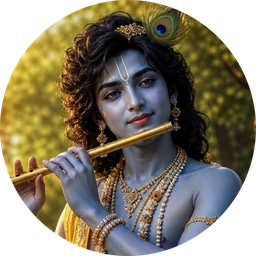
Hindu Festivals 2026: A Complete Calendar and the Sacred Significance
Explore the complete Hindu Festivals calendar for 2026. Discover the dates, significance, and traditions of major tyohars like Diwali, Holi, Navratri, and more.
# Hindu Festivals 2026: A Complete Calendar and the Sacred Significance
A Hindu festival year is not a list of holidays — it is a rhythm. The Vedic way of life is a vibrant tapestry woven with devotion, ceremony, and celestial timings. These festivals, or tyohars, are not merely dates on a calendar — they are powerful opportunities for inner reflection, family bonding, and divine connection. Whether you are in the US, UK, India, Mauritius, or Australia, these ancient traditions unite Hindus globally. This guide provides a month-by-month look at the major observances of 2026, helping you align your year with the cosmic rhythms of the Vedic calendar.
At the heart of our festival timings is a commitment to precision. All dates and muhurtas are calculated using the highly accurate sidereal Lahiri Ayanamsa combined with the Swiss Ephemeris algorithms, with [today's Panchang](/) meticulously localized to your specific timezone.
Understanding the Fabric of Time: The Hindu Calendrical System
To truly appreciate Hindu festivals, it's essential to understand the unique calendrical system they follow. Unlike the Gregorian calendar, which is purely solar, the traditional Hindu calendar is lunisolar. This means it meticulously tracks both the cycles of the moon and the sun, creating a rich tapestry of time wherein each day, each tithi (lunar day), and each nakshatra (lunar mansion) carries its own energetic imprint and spiritual significance.
The shifting dates of Hindu festivals in the Gregorian calendar are a direct consequence of this lunisolar interaction. The Vedic calendar incorporates concepts like Adhik Maas (intercalary month) to realign the lunar and solar years, ensuring that seasons and agricultural cycles remain consistent with the festivals. This intricate system, developed over millennia, reflects a deep reverence for cosmic patterns and their influence on earthly life. The Panchang, or the daily almanac, is the cornerstone of this system, providing precise details on five key elements: Tithi (lunar day), Vara (weekday), Nakshatra (lunar mansion), Yoga (lunar junction), and Karana (half-lunar day).
Historical Roots and Scriptural Foundations of Hindu Festivals
The observance of Hindu festivals is deeply rooted in ancient scriptures and traditions. Many celebrations can be traced back to the Vedas, the oldest sacred texts of Hinduism, which speak of sacrifices and rituals to the deities. Over time, as Hinduism evolved through the Puranas and Epics, these rituals transformed into the vibrant festivals we know today.
For instance, the origins of Diwali are found in various Puranas, such as the Skanda Purana and Padma Purana, which narrate stories of Lakshmi and Vishnu, and the return of Rama to Ayodhya described in the Ramayana. Similarly, Holi finds its narrative in the Bhagavata Purana, detailing the story of Prahlada and Holika. The Devi Bhagavata Purana and Markandeya Purana are central to understanding the significance of Navratri, extolling the glory of Goddess Durga. These scriptures not only provide historical context but also lay down the philosophical underpinnings and ideal observances for each festival, ensuring their timeless relevance.
Major Hindu Festivals in 2026: Dates & Significance
The Hindu calendar is lunisolar — festival dates shift each year in the Gregorian calendar.
| Festival | Date in 2026 | Primary Deity / Significance | | :--- | :--- | :--- | | Makar Sankranti | January 14, 2026 | Sun God (Surya) | | Vasant Panchami | February 1, 2026 | Goddess Saraswati | | Maha Shivaratri | February 26, 2026 | Lord Shiva | | Holi | March 14, 2026 | Celebration of Good over Evil | | Chaitra Navratri | March 19 – 27, 2026 | Nine forms of Goddess Durga | | Rama Navami | March 27, 2026 | Lord Rama | | Hanuman Jayanti | April 12, 2026 | Lord Hanuman | | Akshaya Tritiya | April 21, 2026 | Goddess Lakshmi, Lord Vishnu | | Guru Purnima | July 9, 2026 | Spiritual Gurus | | Krishna Janmashtami | August 23, 2026 | Lord Krishna | | Ganesh Chaturthi | September 4, 2026 | Lord Ganesha | | Sharad Navratri | October 11 – 19, 2026 | Nine forms of Goddess Durga | | Dussehra | October 20, 2026 | Victory of Lord Rama over Ravana | | Diwali (Lakshmi Puja) | October 30, 2026 | Goddess Lakshmi, Lord Ganesha | | Govardhan Puja | October 31, 2026 | Lord Krishna | | Chhath Puja | November 4, 2026 | Sun God (Surya) & Chhathi Maiya |
A Journey Through the 2026 Festival Calendar: Deep Dive into Celebrations
Embark on a detailed exploration of each major festival, understanding its unique rituals, cultural significance, and spiritual teachings.
Early 2026: Devotion and Color (January – April)
The year begins with reverence and vibrant celebrations, setting a spiritual tone for the months ahead.
Makar Sankranti (January 14, 2026)
Makar Sankranti marks a pivotal moment in the Hindu calendar: the Sun's transit into Makara Rashi (Capricorn Horoscope) and its northward journey, Uttarayan. This day is considered highly auspicious, signifying the end of winter and the start of longer, warmer days.
- Significance: Devoted to Suryadev (the Sun God), Makar Sankranti is a harvest festival, celebrated with gratitude for bountiful crops. It symbolizes enlightenment, prosperity, and the shedding of negativity.
- Rituals: Devotees take holy dips in rivers like the Ganges, offer prayers to
Surya, and distributetil-gud(sesame and jaggery) sweets, symbolizing togetherness and sweetness. Kite flying is a popular tradition, especially in Gujarat, symbolizing reaching for the divine. - Regional Variations: Known as
Pongalin Tamil Nadu,Maghiin Punjab, andUttarayanin Gujarat, reflecting India's diverse cultural fabric.Khichdiis a special dish offered and consumed, particularly in Uttar Pradesh.
Vasant Panchami (February 1, 2026)
This joyous festival ushers in the spring season Vasant Ritu and honours Saraswati, the Goddess of knowledge, music, arts, and learning.
- Significance: It is believed that Goddess Saraswati was born on this day. It is an auspicious day for starting new ventures, especially in education, arts, or music. Children are often initiated into learning writing and reading on this day (
Akshar-AbhyasamorVidya-Arambham). - Rituals: People dress in yellow, a colour associated with wisdom and prosperity. Idols of Saraswati are worshipped, and students place their books, pens, and musical instruments before the deity to seek blessings.
Kite flyingis also popular. - Scriptural Reference: The
Brahmavaivarta Puranamentions the creation of Saraswati from the essence of Lord Krishna.
Maha Shivaratri (February 26, 2026)
A profound and intensely spiritual night dedicated to Lord Shiva, the Destroyer and Transformer within the Hindu Triumvirate.
- Significance:
Maha Shivaratritranslates to 'the Great Night of Shiva.' There are several interpretations of its significance: it is believed to be the night Shiva performs the cosmic dance ofTandava, the night Shiva married Parvati, or the night Shiva saved the world by consuming a deadly poison (Halahala). It is a night for inner purification and meditation. - Rituals: Devotees observe strict fasts, stay awake all night performing
bhajansandkirtans, and offerBel Patra(Bilva leaves), milk, water, and fruits to theShivlingam. TheMaha Mrityunjaya Mantrais chanted repetitively:
Om Tryambakam Yajamahe Sugandhim Pushtivardhanam | Urvarukamiva Bandhanan Mrityor Mukshiya Maamritat ||
- Spiritual Practice: The vigil (
Jagran) is crucial, symbolizing a constant awareness of the divine presence and an inward journey.
Holi (March 14, 2026)
The famed festival of colours, Holi, celebrates the triumph of good over evil, the arrival of spring, and joyous new beginnings.
- Significance: The central legend of Holi is that of Prahlada and Holika. Hiranyakashipu's sister, Holika, tried to burn Prahlada (a devotee of Vishnu) in a pyre, but by divine grace, Prahlada was unharmed, and Holika perished. This symbolizes the victory of unwavering devotion and righteousness.
- Rituals: The previous night,
Holika Dahaninvolves lighting bonfires to burn effigies of Holika, symbolizing the destruction of evil. On Holi, people playfully drench each other with coloured powders (gulal) and water, singDhrupadandHoli Geet, and share sweets. - Regional Variations:
Lathmar Holiin Barsana, where women playfully beat men with sticks;Phoolon ki Holiwith flowers in Mathura; andBasant Utsavin Shantiniketan.
Chaitra Navratri (March 19 – 27, 2026)
A nine-night festival dedicated to the nine forms of Goddess Durga, celebrated during the Hindu month of Chaitra (spring).
- Significance: This Navratri celebrates the divine feminine energy (
Shakti), commemorating the victory of Durga over the demon Mahishasura. Each of the nine nights is dedicated to a specific manifestation of Durga, including Shailaputri, Brahmacharini, Chandraghanta, Kushmanda, Skandamata, Katyayani, Kaalratri, Mahagauri, and Siddhidatri. - Rituals: Devotees observe fasts, perform
Ghatasthapana(pot installation symbolizing the universe), reciteDurga SaptashatiorDevi Mahatmyam, and engage in specialpujasandaartis.GarbaandDandiya Raasare traditional folk dances performed, especially in Gujarat.
Rama Navami (March 27, 2026)
The culmination of Chaitra Navratri, Rama Navami celebrates the birth of Lord Rama, the seventh avatar of Vishnu.
- Significance: Lord Rama is revered as
Maryada Purushottam– the ideal man, embodying dharma and righteousness. His birth signifies the establishment of moral order. TheValmiki Ramayanadetails his life and teachings. - Rituals: Temples conduct special
pujas,bhajans, andkirtans. Devotees observe fasts, decorate their homes, and recite episodes from theRamayana. In some regions, processions with Lord Rama's idol are taken out.
Hanuman Jayanti (April 12, 2026)
This day celebrates the birth of Lord Hanuman, the devout and powerful Vanara (monkey) companion of Lord Rama.
- Significance: Hanuman embodies strength, devotion, selfless service, and immense loyalty. He is considered
Chiranjeevi(immortal). His birth is celebrated to honor his dedication and unwavering faith in Lord Rama. - Rituals: Devotees visit Hanuman temples, apply
sindur(vermilion) to their foreheads, and offer sweets, flowers, andladdus. TheHanuman Chalisa(a devotional hymn) is recited numerous times:
Buddhiheen Tanu Jaanike Sumirau Pavan Kumar | Bal Buddhi Vidya Dehu Mohi Harahu Kalesh Vikaar || Fasting and bhajans are also common.
Akshaya Tritiya (April 21, 2026)
A highly auspicious day, Akshaya means 'never diminishing' or 'eternal.'
- Significance: Any good deed, donation, or new beginning undertaken on this day is believed to bring everlasting prosperity and success. It is believed to be the day Veda Vyasa began narrating the
Mahabharatato Ganesha, and the day theGanga(Ganges River) descended to Earth. Lord Parashurama (sixth avatar of Vishnu) also took birth on this day. - Rituals: Many buy gold or new property, start new businesses, or perform weddings. Offering
donations(daan) to the needy is considered highly meritorious.Lakshmi Pujais performed to invite wealth and prosperity.
Mid-Year: Dharma and Guru's Grace (May – August)
The middle of the year brings festivals focusing on spiritual guidance and divine incarnations.
Guru Purnima (July 9, 2026)
A day dedicated to honouring spiritual and academic teachers (Gurus).
- Significance: This day is traditionally observed by Hindus and Buddhists to pay respect to their
Gurus(spiritual masters or teachers). It is also believed to be the birthday ofVyasa, the revered sage who compiled the Vedas, wrote the Puranas, and authored theMahabharata.Gurumeans 'one who dispels darkness,' and the festival acknowledges their pivotal role in guiding disciples towards enlightenment. - Rituals: Disciples offer
pujato their Gurus, seek their blessings, and express gratitude. Many observe fasts and reflect on the teachings they have received. In ashrams, specialsatsangs(spiritual discourses) are held.
Understanding your Rashifal adds personal significance to these celebrations, as aligning your spiritual practices with your astrological insights can deepen their impact.
Krishna Janmashtami (August 23, 2026)
The joyous celebration of the birth of Lord Krishna, the eighth avatar of Vishnu.
- Significance: Krishna's birth signifies the victory of good over evil, the establishment of
dharma, and divine play (leela) in the world. As depicted in theBhagavad Gita, Lord Krishna is the ultimate divine teacher and a source of profound spiritual wisdom. - Rituals: Devotees observe strict fasts, breaking them at midnight when Krishna is believed to have been born. Temples are decorated,
rasleelas(dramatic enactments of Krishna's life) are performed, andDahi Handi(pots of curd are hung high, and teams form human pyramids to break them) is a popular tradition in Maharashtra, symbolizing Krishna's playful childhood. Singingbhajansandkirtansis common.
Late 2026: Light, Triumph, and Gratitude (September – November)
The latter part of the year culminates in grand celebrations of triumph, prosperity, and gratitude.
Ganesh Chaturthi (September 4, 2026)
A vibrant ten-day festival celebrating the birth of Lord Ganesha, the elephant-headed god of wisdom, prosperity, and the remover of obstacles.
- Significance: Ganesha is worshipped before any major undertaking, as he bestows success and removes hindrances (
Vighnaharta). His birth is mentioned in theGanesha PuranaandMudgala Purana. - Rituals: Elaborate
pandals(temporary stages) are erected in public spaces, housing beautifully crafted Ganesha idols. Devotees bring clay idols of Ganesha home, perform dailyaartis, offermodaks(sweet dumplings, Ganesha's favourite), and sweets. On the final day,Anant Chaturdashi, the idols are immersed (visarjan) in water bodies, symbolizing Ganesha's return to Kailash.
Sharad Navratri (October 11 – 19, 2026)
The most prominent of the four Navratris, Sharad Navratri is celebrated in autumn (Sharad Ritu), again honouring the nine forms of Goddess Durga.
- Significance: Similar to Chaitra Navratri, it celebrates the triumph of
Shaktiover evil. It is a period of intense fasting, prayer, and introspection, culminating in Dussehra. TheDevi Mahatmyamwithin theMarkandeya Puranais extensively recited, detailing the fierce battles and victories of the Goddess. - Rituals: The traditions are similar to Chaitra Navratri, with
Ghatasthapana,pujas,aartis, and the energeticGarbaandDandiya Raasdances. Many observevrats(fasts) for all nine days.
Dussehra (October 20, 2026)
Also known as Vijayadashami, this festival marks the culmination of Sharad Navratri and symbolizes the triumph of good over evil.
- Significance: In Northern India, Dussehra celebrates Lord Rama's victory over the demon king Ravana, as described in the
Ramayana. In Eastern India, it marks the day Goddess Durga triumphed over the buffalo demon Mahishasura, signifying the victory of divine power over demonic forces. - Rituals: Effigies of Ravana, his brother Kumbhakarna, and son Meghanada are burned, often accompanied by fireworks.
Ram Leela(dramatic plays depicting scenes from the Ramayana) are performed. In Bengali traditions,Durga Visarjantakes place after grand processions.
Diwali (Lakshmi Puja) (October 30, 2026)
The spiritual crescendo of the year, Diwali, the "Festival of Lights," is perhaps the most widely celebrated Hindu festival.
- Significance: Diwali is a five-day festival with multiple spiritual meanings. The main
Lakshmi Pujaday celebrates the return of Lord Rama to Ayodhya after 14 years of exile, his victory over Ravana, and the birth of Goddess Lakshmi fromSamudra Manthan(the churning of the cosmic ocean, as described in theVishnu Purana). It symbolizes the victory of light over darkness, good over evil, knowledge over ignorance, and hope over despair. - Rituals: Homes are cleaned, decorated with
diyas(oil lamps) andrangolis(colorful patterns). Lakshmi and Ganesha are worshipped. Families exchange sweets and gifts, burst fireworks, and wear new clothes. The five days typically include: Dhanteras: WorshippingDhanvantariandLakshmi, buying new utensils or gold.Naraka Chaturdashi(Choti Diwali): CelebratesKrishna'svictory over demon Narakasura.Lakshmi Puja: The main day of Diwali, worshipping Lakshmi for prosperity.Govardhan Puja(next day).Bhai Dooj: Celebrating the bond between brothers and sisters.
Govardhan Puja (October 31, 2026)
Celebrated the day after Diwali, Govardhan Puja is dedicated to Lord Krishna.
- Significance: This festival commemorates the incident where Lord Krishna lifted the
Govardhan Hillto protect the villagers of Vrindavan from the wrath of Lord Indra, who had unleashed torrents of rain. It symbolizes the victory of devotion over ego and the importance of nature's protection. - Rituals: Devotees create miniature
Govardhan hillsusing cow dung and decorate them with flowers and sweets.Chhappan Bhog(56 varieties of food) is prepared and offered to Lord Krishna.
Chhath Puja (November 4, 2026)
A deeply devotional and austere festival dedicated to the Sun God (Surya) and Chhathi Maiya (an ancient Vedic Goddess mentioned in the Brahmavaivarta Purana).
- Significance: This four-day festival is unique to the Bihar, Jharkhand, Eastern Uttar Pradesh, and Nepal regions. It is observed to thank
Suryafor sustaining life on Earth and to request the granting of wishes, health, prosperity, and longevity. Chhathi Maiya is worshipped as the sister of the Sun God. - Rituals: Devotees, especially women, observe rigorous fasts (even abstaining from water) and perform
Arghya(offerings) to the rising and setting sun in rivers, ponds, or other water bodies. Specificprasad(offerings) includeThekuaand seasonal fruits. The purity of the rituals (Niyam-Nishtaa) is paramount.
Regional Variations and Global Observance
While the core significance of Hindu festivals remains consistent, their observance varies widely across regions in India and among the global Hindu diaspora.
- In Kerala,
Onam(harvest festival) andVishu(New Year) are celebrated with distinct traditions, vibrantPookkalam(flower arrangements), andSadya(elaborate feasts). - Bengal's Durga Puja is an elaborate multi-day affair, characterized by grand
pandals, artistic installations, and cultural performances, culminating inBijoya Dashami. - In Maharashtra,
Ganesh Chaturthiis a public spectacle of immense devotion and artistic expression. - The Tamil New Year, Puthandu, involves special
Pujasand family gatherings.
Beyond India, in countries like Nepal, Sri Lanka, Mauritius, Fiji, Trinidad & Tobago, Guyana, Suriname, Malaysia, Singapore, and even Western countries like the USA, UK, Canada, and Australia, Hindu communities observe these festivals with zeal, adapting traditions to local contexts. Temples become hubs of activity, community gatherings ensure cultural continuity, and younger generations learn about their heritage. This global celebration underscores the universal appeal of these spiritual values.
Practical Steps for Celebrating Hindu Festivals
For those new to Hindu traditions or seeking to enhance their observance, here are some general guidelines:
- Understand the Deity and Significance: Research the specific deity and the spiritual meaning behind each festival. This enhances your connection and devotion.
- Cleanse Your Home: Before any major festival, it's customary to clean (
shuddhi) and purify your physical surroundings, symbolizing spiritual cleansing. - Offerings (Prasad): Prepare simple, sattvic (pure) food offerings for the deity. These are later distributed among family and friends as divine blessings.
- Decorate: Use flowers,
diyas,rangolis, and sacred symbols (swastika,Om) to create a festive and sacred atmosphere. - Chant Mantras: Learn and recite relevant mantras. For example,
Om Namah Shivayafor Shivaratri,Om Aim Saraswatyai Namahfor Vasant Panchami, orOm Gam Ganapataye Namahafor Ganesh Chaturthi. - Perform Aarti: A
lamp ceremonywhere light is offered to the deity, symbolizing the illumination of wisdom and removal of darkness. - Fasting (Vrat): If you choose to fast, understand its spiritual purpose (purification, self-control) and consult family traditions for appropriate fasting intensity.
- Community and Charity: Engage with your community and consider performing acts of charity (
daan). Festive joy is amplified when shared.
Common Misconceptions About Hindu Festivals
Hinduism is incredibly diverse, leading to occasional misunderstandings for outsiders or even within the faith.
- Myth 1: All Hindus celebrate all festivals in the same way.
- Reality: Festival observances vary greatly by region,
sampradaya(sect), and even family traditions. A BengaliDurga Pujais different from a GujaratiNavratrior a South IndianAyudha Puja(which also falls on Dussehra). - Myth 2: Hindu festivals are just holidays.
- Reality: While they are joyous occasions, most festivals carry deep spiritual, philosophical, and mythological significance. They are opportunities for spiritual growth, introspection, and re-establishing
dharmain one's life. - Myth 3: The Gods are worshipped individually as separate entities.
- Reality: While there are numerous deities, in the ultimate sense, they are often seen as different manifestations, aspects, or paths leading to the one ultimate Brahman (the Absolute Reality).
Ekam Sat Vipra Bahudha Vadanti- "Truth is one; sages call it by many names" (Rig Veda 1.164.46). - Myth 4: Fasting is mainly about austerity.
- Reality: While austerity is a component, fasting is primarily about purification, self-discipline, redirecting physical energy towards spiritual pursuits, and expressing devotion. It's a voluntary spiritual practice.
Frequently Asked Questions (FAQ)
Why do Hindu festival dates change every year?
Hindu festivals follow a lunisolar calendar based on cycles of both the Moon (Chandra) and Sun (Surya). Since this differs from the purely solar Gregorian calendar, dates shift each year. Our Vedic calendar helps track them accurately, accounting for these celestial movements.
What is a tithi and why is it important?
A tithi is a lunar day — the time it takes for the Moon-Sun longitudinal angle to increase by 12 degrees. There are 30 tithis in a lunar month. Most Hindu festivals are celebrated on a specific tithi because each tithi is imbued with unique spiritual energies and associations with different deities or planetary influences, making it auspicious for particular rituals.
Can I celebrate these festivals if I am not in India?
Absolutely. The Hindu diaspora celebrates with immense enthusiasm and devotion worldwide, whether in the US, UK, Canada, Australia, and Mauritius, or any other part of the globe. Our calculations for the Panchang are meticulously localized to your specific timezone, ensuring accuracy wherever you are.
What is the significance of fasting during festivals?
Fasting (vrat or upavasa) is a profound spiritual practice. It's not merely about abstaining from food. It's a discipline intended for purifying the body and mind, developing self-control (indriya nigraha), and redirecting energy from physical cravings towards prayer, meditation, and deeper connection with the divine (Ishta Devata). It symbolizes a temporary detachment from worldly desires to focus on spiritual upliftment.
How can I find my Rashi or moon sign?
Your Rashi, or moon sign, is the zodiac sign where the Moon was positioned at the exact moment of your birth. This is highly significant in Vedic astrology, influencing your emotional nature, personality, and even specific life events.
What is the Vedic calendar, and how does it relate to the Gregorian calendar?
The Vedic calendar, also known as the Chandra-Soura Panchanga, is a lunisolar calendar used for Hindu festivals and auspicious timings (Muhurat). It synchronizes lunar months with solar years. Unlike the Gregorian calendar, which is solar and has fixed month lengths, the Vedic calendar accounts for lunar phases and adjusts through intercalary months (Adhik Maas) to keep festivals aligned with their traditional seasons, even though their Gregorian dates shift annually.
Are these festivals only about worship?
While worship (puja or bhakti) is a central component, Hindu festivals encompass much more. They are also about:
- Cultural Preservation: Passing down ancient stories, customs, music, art, and food to new generations.
- Community Building: Fostering social cohesion, family unity, and collective celebration.
- Ethical Reflection: Reinforcing moral values like
dharma(righteousness), empathy, gratitude, and the victory of good over evil. - Seasonal Connection: Many festivals are linked to agricultural cycles and the changing seasons, showing reverence for nature.
A Timeless Legacy: Reflections on 2026
As we journey through the Hindu festivals of 2026, we connect with a timeless spiritual heritage that transcends geographical boundaries and temporal shifts. Each festival is a living vibrant tradition, a call to introspection, a moment of collective joy, and an opportunity to reaffirm faith. The meticulous celestial calculations that underpin these dates, rooted in the ancient wisdom of the Panchang and Vedic astrology, remind us of the profound connection between the cosmos and our human experience.
Let the year 2026 be a period of deep spiritual engagement, shared celebrations, and renewed commitment to dharma. May the light of these festivals illuminate your life, guiding you towards greater wisdom, prosperity, and peace. Explore the rich resources on our site for daily Panchang, mantras, and Vedic wisdom to deepen your understanding and enhance your spiritual journey.