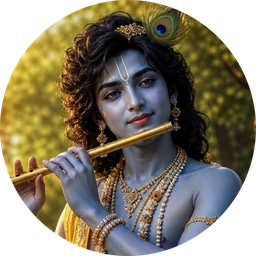
Gayatri Mantra: Meaning, Word-by-Word Translation & Benefits
Unlock the profound power of the Gayatri Mantra. Explore its ancient origins, word-by-word meaning, and the spiritual and scientific benefits of chanting this sacred verse.
# Gayatri Mantra: Meaning, Word-by-Word Translation & Benefits
The Gayatri Mantra is a timeless beacon of spiritual light, a sacred vibration that has resonated across millennia. Revered as one of the most powerful and ancient verses from the Rig Veda, its recitation is a profound practice for spiritual seekers across the globe — from India and Mauritius to the USA, UK, Canada, and Australia. This universal prayer is not a petition for worldly goods, but an appeal for inner clarity and the illumination of our intellect. In this exploration, we delve deep into the Gayatri Mantra: Meaning, Word-by-Word Translation & Benefits.
The Ancient Origins of the Gayatri Mantra
The Gayatri Mantra first appears in the third Mandala of the Rig Veda (3.62.10). It is attributed to the great sage Vishwamitra. The verse is composed in the Gayatri meter, a poetic structure of 24 syllables, arranged into three lines of eight syllables each. This meter is so fundamental to Vedic composition that many hymns (Richas) that utilize this structure are broadly termed "Gayatri Mantras," even if they are not the specific Savitri Gayatri Mantra we are discussing.
Addressed to the Sun God Savitr, it invokes the universal Divine essence pervading all of creation. Savitr is a solar deity, specifically associated with the impulse or vivifying power of the Sun, often distinguished from Surya, the visible orb. He represents the divine principle that energizes all life and consciousness.
The Gayatri Mantra is considered the Ved-Sara, the essence of all the Vedas. This designation highlights its profound significance, implying that it encapsulates the philosophical wisdom and spiritual power of the entire Vedic corpus within its concise structure. The Vedas themselves are considered Shruti, or that which is "heard" directly from divine revelation, making the Gayatri Mantra a direct transmission of ultimate truth.
The Rig Veda, one of the four foundational texts of Hinduism, is dated between 1500 and 1200 BCE, placing the origins of the Gayatri Mantra in the heart of ancient Indian civilization. Its enduring presence for over three millennia underscores its deep impact on spiritual traditions. Explore alongside other ancient [mantras](/mantras).
Historical Context and Evolution
Historically, the chanting of the Gayatri Mantra was primarily reserved for the dvijas (twice-born), specifically brahmin males, after their Upanayana (sacred thread ceremony). This tradition emphasized the guru-shishya parampara (teacher-disciple lineage) where the mantra was imparted with proper pronunciation and understanding. However, over centuries, spiritual reformers and enlightened sages, recognizing the universal nature of the mantra's message, gradually advocated for its accessibility to all sincere seekers. Figures like Swami Vivekananda and Mahatma Gandhi were instrumental in promoting its universal chanting. They emphasized that the mantra's power lies in its meaning and intent, not merely in the social status of the chanter.
This shift reflects a broader evolution in Hindu spiritual practice, moving towards inclusivity and acknowledging that divine wisdom is not confined by social constructs. Today, the Gayatri Mantra is chanted by millions worldwide, transcending geographical, cultural, and gender barriers, a testament to its inherent universal appeal and potency.
Word-by-Word Meaning
Understanding the individual components of the Gayatri Mantra unlocks its deeper resonance and potential. Each word carries profound spiritual weight.
The Mantra:
Om Bhur Bhuvah Swah Tat Savitur Varenyam Bhargo Devasya Dhimahi Dhiyo Yo Nah Prachodayat
Detailed Translation and Interpretation:
- Om (ॐ): This is the primordial sound, the universal vibration from which all creation emanates. In Hinduism, Om is considered the sound of the cosmos, representing the past, present, and future, as well as being beyond time itself. It symbolizes the three states of consciousness (waking, dreaming, deep sleep) and the fourth transcendent state (Turiya). Chanting Om is believed to connect the individual consciousness with the universal consciousness. It is the very essence of Brahman, the Absolute Reality.
- Bhur (भूः): Represents the physical world, the Bhu Loka. This is the realm of gross matter, our tangible existence, the Earth, and everything perceptible by our senses. It signifies the embodiment of existence, the manifest universe.
- Bhuvah (भुवः): Signifies the mental or astral plane, the Antariksha Loka. This is the realm of subtle energies, emotions, thoughts, and spiritual aspirations. It represents the vital life force (Prana) that pervades the physical world and connects it to higher planes.
- Swah (स्वः): Denotes the celestial plane, the Dyur Loka or Svarga Loka. This is the realm of divine intelligence, cosmic consciousness, and ultimate bliss. It represents the causal body, the seat of pure knowledge and spiritual illumination. Together, Bhur, Bhuvah, and Swah encompass all realms of existence – physical, subtle, and causal – affirming the mantra's invocation of the divine presence across every dimension.
- Tat (तत्): "That" — the ultimate transcendental reality. This is a very significant pronoun in Hindu philosophy, often used to refer to the Absolute, the unmanifest, unnameable Brahman. It signifies a reality beyond comprehension, pointing to the source of all existence.
- Savitur (सवितुः): Of Savitr, the divine Sun God, the source of light and life. As mentioned, Savitr is not merely the physical sun but the animating principle behind it, the divine impulse that inspires and activates. He is the progenitor, the one who brings forth, illuminates, and nourishes. In a deeper sense, Savitr represents the cosmic consciousness that awakens our individual intellect.
- Varenyam (वरेण्यम्): "Most excellent," "worthy of being worshipped," "adorable." This adjective emphasizes the supreme quality of Savitr, indicating that this divine light is the most exalted and deserving of reverence and admiration. It draws attention to the purity and sublimity of the divine effulgence.
- Bhargo (भर्गो): "Effulgence," divine light, destroyer of ignorance. This word refers to the radiant light that purifies and illumines. It is not just physical light but spiritual illumination that dispels the darkness of ignorance (avidya) and leads to true understanding. It is saving knowledge, grace-light.
- Devasya (देवस्य): Of the divine reality. This reinforces that the effulgence spoken of is not mundane but inherently divine, belonging to the celestial and sacred realm.
- Dhimahi (धीमहि): "We meditate upon." This is the core action of the mantra, indicating an act of profound contemplation and absorption. It's not just passive thought but an active engagement of the mind to focus on the divine quality. It implies a seeking of union and assimilation with the divine.
- Dhiyo (धियो): Our intellects, our minds. This refers to the discriminating faculty of the mind, the aspect that can discern, understand, and reason. The mantra specifically targets the intellect for purification and inspiration.
- Yo (यो): "Who," "which." This connects the divine effulgence of Savitr to its action upon our intellects.
- Nah (नः): "Our," "us." This makes the prayer personal and universal, encompassing all who chant it.
- Prachodayat (प्रचोदयात्): "May He inspire," "may He illumine," "may He guide." This is the core prayer or petition of the mantra. It is a humble request to the divine light to activate, stimulate, and direct our intellects towards righteousness, wisdom, and spiritual truth. It's a prayer for inner guidance and enlightenment.
Full Translation: "We meditate on the adorable, divine effulgence of That Savitur (Sun God), the source of the physical, mental, and celestial worlds. May He illumine and inspire our intellects."
This translation, while accurate, often requires further contemplation to grasp its depth. It is a prayer for enlightenment, for the awakening of our inner wisdom and discriminatory power, so that we may see truth clearly and act righteously. It's a universal plea for divine guidance to navigate the complexities of life and spiritual journey.
Spiritual & Scientific Benefits
The Gayatri Mantra's profound impact is attested by both ancient spiritual wisdom and modern scientific inquiry. Its benefits extend across physical, mental, and spiritual planes.
Spiritual & Mental Benefits:
- Increased Intellect & Wisdom: The central petition of the mantra is for the illumination of the intellect (Dhiyo Yo Nah Prachodayat). Regular chanting is believed to sharpen concentration, enhance memory, and improve decision-making abilities. It helps one discern right from wrong (Viveka) and understand complex spiritual truths, thus fostering profound wisdom. Sage Vishwamitra, the seer of the mantra, himself achieved immense spiritual power through its practice.
- Stress & Anxiety Reduction: The rhythmic chanting practice, particularly with controlled breathing (pranayama), acts as a powerful calming agent. The sound vibrations resonate through the nervous system, inducing a state of deep relaxation. This can effectively reduce cortisol levels, lower heart rate, and activate the parasympathetic nervous system, counteracting the effects of stress and anxiety.
- Spiritual Awakening: The mantra is believed to awaken and purify the energy centers within the body, particularly the Ajna Chakra (the third eye, associated with intuition and higher consciousness) and the Sahasrara Chakra (the crown chakra, associated with spiritual enlightenment and connection to the divine). This awakening facilitates a deeper connection to one's higher self and the universal divine energy, leading to profound spiritual experiences and insights.
- Removal of Negative Energy and Karmic Patterns: Chanting the Gayatri Mantra regularly is considered a powerful spiritual purifier (karma nashanam). The divine light invoked through the mantra is believed to dispel negative thoughts, emotions, and old karmic impressions (samskaras) that hinder spiritual progress. It creates a protective aura of positive energy, transforming negativity into positivity.
- Connection to the Divine and Universal Love: By meditating on the divine effulgence of Savitr, the chanter begins to experience a deeper sense of connection with the source of all creation. This fosters feelings of universal love, compassion, and unity with all beings, dissolving feelings of isolation and separateness. It encourages Sarva Bhuta Hita (welfare of all beings) and promotes inner peace.
Scientific Observations:
Modern research, while still in nascent stages, has begun to corroborate some of the ancient claims regarding mantra chanting.
- Increased Alpha Brainwave Activity: Studies using electroencephalography (EEG) have shown that during deep meditation and mantra chanting, there is often a significant increase in alpha brainwave activity. Alpha waves are associated with states of relaxed alertness, reduced stress, and enhanced creativity. This explains the feeling of calmness and mental clarity reported by chanters.
- Improved Heart Rate Variability (HRV): HRV is a measure of the variation in time between heartbeats, an indicator of the body's ability to adapt to stress. Research suggests that rhythmic chanting and meditation practices can improve HRV, indicating a healthier and more resilient autonomic nervous system. This correlates with reduced stress and improved emotional regulation.
- Lowered Blood Pressure: The calming effect on the nervous system and the regulation of breathing patterns associated with chanting can lead to a reduction in high blood pressure. This offers a non-pharmacological approach to managing hypertension for some individuals.
- Enhanced Cognitive Function: The consistent focus required during chanting, coupled with the potential physiological benefits, can lead to improved attention span, concentration, and overall cognitive performance. Some studies suggest benefits in memory and learning abilities.
- Vibrational Impact: The specific phonetics and rhythm of Sanskrit mantras, including the Gayatri Mantra, are believed to create unique vibrational patterns in the body and mind. It's hypothesized that these vibrations resonate with different energy centers and stimulate specific physiological and neurological responses. While complex to definitively measure, the subjective experience of many chanters points to this energetic effect.
Our calculations for [today's Panchang](/) use sidereal Lahiri Ayanamsa with Swiss Ephemeris algorithms, localized to your timezone. This astronomical accuracy provides precise timings for auspicious activities, including specific muhurat for starting practices like mantra chanting, aligning your efforts with cosmic rhythms.
How to Chant 108 Times
Chanting the Gayatri Mantra 108 times (Japa) is a common and highly recommended practice. The number 108 holds great significance in Hinduism and various spiritual traditions. It is said to represent the 108 Upanishads, the 108 Gopis of Vrindavan, the 108 sacred points (marmas) in the body, and the diameter of the Sun being 108 times the diameter of the Earth.
Here’s a step-by-step guide to systematic chanting:
- Find a Quiet Space and Time:
- Choose a clean, peaceful spot where you won't be disturbed. This could be a dedicated puja (worship) room, a quiet corner, or even outdoors in nature.
- The most auspicious times for chanting are during the Sandhya periods:
- Brahma Muhurta: Approximately 1.5 hours before sunrise. This period is considered highly potent for spiritual practices due to the prevailing calm and subtle energies.
- Sunrise (Pratah Sandhya): As the sun begins to rise, bathing the world in its initial light.
- Mid-day (Madhyahna Sandhya): Around noon, when the sun is at its peak.
- Sunset (Sayam Sandhya): As the sun sets, transitioning from day to night. Chanting during these transitional periods is considered highly beneficial for spiritual purification and connection. Consistency matters more than perfect timing.
- Sit Comfortably with an Erect Spine:
- Adopt a stable meditative posture such as Padmasana (lotus pose), Sukhasana (easy pose), or Virasana (hero pose), or simply sit comfortably on a chair with both feet on the ground.
- Keep your spine erect but relaxed. This allows for proper flow of prana (life force) and maintains alertness. Hands can rest on your knees in Gyan Mudra or Chin Mudra, or simply folded in prayer.
- Use a Japa Mala (Mala Beads):
- A japa mala typically consists of 108 beads, plus one larger 'guru bead' or 'sumeru' bead. This mala helps you keep count of your repetitions without distraction.
- Hold the mala in your right hand. Use your thumb to move each bead forward after chanting the mantra once. Avoid using your index finger as it is considered unlucky for japa.
- Do not cross over the guru bead. When you reach it, turn the mala around and continue chanting in the reverse direction.
- Set an Intention (Sankalpa):
- Before you begin, take a moment to set a clear, positive intention for your practice. This could be seeking wisdom, peace, guidance, or expressing gratitude. A sincere intention amplifies the power of your chanting.
- Chant Clearly, Focus on Meaning:
- Chant the mantra distinctly, either aloud (Vaikhari Japa), in a whisper (Upanshu Japa), or mentally (Manasik Japa). For beginners, chanting aloud can help with focus.
- Pay attention to the pronunciation of each word. While perfection isn't strictly necessary for a sincere heart, effort towards clarity is helpful.
- Crucially, focus your mind on the meaning of the mantra – meditate on the divine light, its purifying nature, and its power to enlighten your intellect. Visualize the golden light of Savitr entering and illuminating your being.
- Complete the Cycle and Pause:
- Once you complete 108 repetitions (one round of the mala), gently bring your practice to a close.
- Do not immediately jump into other activities. Sit in silent meditation for a few minutes, observing the internal vibrations and the calm state of mind created by the chanting. Reflect on your intention and the divine presence.
Regional Variations and Significance
While the core mantra remains the same, its adoption and practice display regional nuances across India and Hindu diaspora communities. In South India, especially in Brahmin traditions, the sandhyavandanam ritual (daily ritualistic prayers performed thrice a day at dawn, noon, and dusk) prominently features the Gayatri Mantra as its central component. Here, the mantra is often chanted with specific mudras (hand gestures) and accompanying pranayama (breath control exercises).
In other regions, particularly in North India, it's common to see large-scale public chanting events or Gayatri Mahayagnas, where thousands gather to chant the mantra collectively. Organizations like the All World Gayatri Pariwar, founded by Pandit Shriram Sharma Acharya, have been instrumental in propagating the Gayatri Mantra globally, making it accessible to millions. Their emphasis is on the mantra's power for social upliftment and world peace, beyond individual spiritual growth.
Among the diaspora communities, whether in the vibrant temples of the USA and UK or the closely knit communities of Mauritius, Fiji, and the Caribbean, the Gayatri Mantra serves as a potent link to their spiritual heritage. It is taught to children from a young age, often being one of the first Sanskrit verses they learn, symbolizing their connection to Sanatana Dharma. Its practice reinforces cultural identity and provides a spiritual anchor in diverse global environments.
Auspicious Chanting Times for Global Cities (June 21, 2026)
The auspicious times listed below are calculated for Sandhya (twilight) periods, specifically around sunrise, renowned for spiritual practices. These periods are charged with subtle energies conducive to meditation and mantra recitation.
| City | Country | Sunrise | Optimal Chanting Start (Pratah Sandhya) | |---------------|---------------|-----------|----------------------------------------| | New York | USA | 5:25 AM | 5:15 - 5:45 AM | | London | UK | 4:43 AM | 4:30 - 5:00 AM | | New Delhi | India | 5:24 AM | 5:10 - 5:40 AM | | Port Louis | Mauritius | 6:40 AM | 6:30 - 7:00 AM | | Toronto | Canada | 5:36 AM | 5:25 - 5:55 AM | | Sydney | Australia | 6:59 AM | 6:45 - 7:15 AM |
Cross-reference with our Vedic calendar for precise timings localized to your exact geographical coordinates for any given day. This level of precision, based on sidereal calculations, allows you to harmonize your spiritual practices with the natural rhythms of the cosmos.
Common Misconceptions about the Gayatri Mantra
Despite its widespread reverence, several misconceptions surround the Gayatri Mantra which can deter or misguide potential chanters.
- Myth 1: Only Brahmins/Males Can Chant It: This is perhaps the most pervasive and historically restrictive misconception. While ancient traditions, particularly among certain orthodox groups, restricted its chanting to dvija males after Upanayana, illuminated sages and modern spiritual movements have universally affirmed that anyone, irrespective of caste, creed, gender, or religion, can chant the Gayatri Mantra with a pure heart and sincere intention. The mantra is a universal prayer to the cosmic light, and divine grace is not discriminatory. The Devi Bhagavata Purana explicitly states that the Gayatri Mantra is for everyone.
- Myth 2: It's Impure to Chant During Menstruation: This is another gender-based restriction often found in traditional practices. However, this belief stems more from societal notions of ritual purity and impurity rather than the inherent nature of the mantra itself. Many spiritual gurus assert that the purity of the mind and heart is paramount, and physical states do not impede the efficacy of the mantra. Women can and should continue their spiritual practices, including chanting, during menstruation if they feel inclined and comfortable.
- Myth 3: You Need a Guru to Initiate You: While receiving diksha (initiation) from a qualified guru can profoundly deepen one's spiritual practice by transferring spiritual energy and proper guidance, it is not an absolute prerequisite for chanting the Gayatri Mantra. The mantra itself is considered a Maha Mantra and a Ved-Sara. If a guru is unavailable, one can begin chanting with sincerity, reverence, and careful attention to pronunciation and meaning. The mantra itself can become a guide. Many texts suggest that the mantra reveals its meaning to a sincere seeker over time. Resources like our [blog](/blog) provide guidance.
- Myth 4: Chanting It Incorrectly Can Harm You: While accurate pronunciation is desirable for maximum benefit and vibrational resonance, the idea that incorrect chanting causes harm is largely an exaggerated fear. Minor errors, especially for beginners, will not lead to negative consequences. Sincerity, devotion (bhava), and focus on the meaning are far more important than perfect phonetics. The divine, benevolent energy of the mantra is protective, not punitive. Continuously striving for accuracy is good, but fear should never be a barrier.
- Myth 5: It's Just a Hindu Prayer: While originating from the Rig Veda, its message of appealing to a universal divine light for intellectual and spiritual illumination transcends any specific religious dogma. Its non-sectarian language (it appeals to 'Savitr,' the inspirer, rather than a specific sectarian deity) makes it universally applicable. It's a prayer for wisdom that any human being can embrace, regardless of their religious affiliation.
The Gayatri Mantra in Wider Hindu Scriptures and Philosophy
The reverence for the Gayatri Mantra extends far beyond the Rig Veda, permeating other significant Hindu scriptures and philosophical traditions.
The Upanishads, which are the philosophical conclusions of the Vedas, frequently reference the profound significance of Gayatri. The Brihadaranyaka Upanishad and Chandogya Upanishad discuss the symbolic importance of the Gayatri meter and its connection to Prana (life force) and the various cosmic planes. The Maitri Upanishad states, "The Gayatri is indeed Brahman, the Self," emphasizing its identity with the ultimate reality. This highlights that the mantra is not just a prayer to the divine, but a vibrational representation of the divine itself.
In the Puranas, the Gayatri Mantra is often personified as Gayatri Devi, the goddess of the Vedic hymns, the consort of Brahma, and the mother of the Vedas. She is depicted as seated on a lotus, holding a book (symbolizing knowledge), a pen (for writing the Vedas), and often a rosary. Worship of Gayatri Devi is essentially an invocation of the power inherent in the mantra. The Skanda Purana and Devi Bhagavata Purana extensively glorify Gayatri, describing her as the primordial energy that illuminates consciousness and dispels ignorance. These texts reinforce the idea that devotional chanting of the mantra brings the grace of the Goddess of Wisdom.
The Smriti texts, particularly the Manusmriti, lay down the rules for Sandhyavandanam, the daily ritual that includes Gayatri Japa. It declares that a Brahmin who neglects his Sandhya is akin to a Shudra (lower caste) – illustrating the historical importance placed on this practice for maintaining ritual purity and spiritual discipline in certain societal structures. While rigid interpretations have evolved, the underlying emphasis on daily spiritual practice remains.
In Yoga philosophy, particularly in the tradition of Patanjali's Yoga Sutras, mantra chanting (Japa) is recognized as a powerful tool for Pratipaksha Bhavana (cultivating opposite thoughts) and Chitta Vritti Nirodha (stilling the fluctuations of the mind). The focus during Gayatri chanting helps to withdraw the senses (Pratyahara), concentrate the mind (Dharana), and move towards meditative absorption (Dhyana), ultimately leading to higher states of consciousness. The vibrations are also believed to purify the nadis (energy channels) and balance the chakras, thereby facilitating the upward flow of Kundalini energy.
Philosophically, the Gayatri Mantra represents the integration of the three principles of Karma (action, represented by Bhur), Bhakti (devotion, represented by Meditating on the Divine), and Jnana (knowledge, represented by the illumination of the intellect). It’s a holistic spiritual practice that touches upon physical well-being, emotional balance, intellectual clarity, and profound spiritual realization, embodying the very essence of Vedic wisdom.
FAQ
Who can chant the Gayatri Mantra?
Anyone, regardless of caste, creed, gender, or religion, with a sincere heart and a desire for spiritual growth, can chant the Gayatri Mantra. Its universal appeal lies in its message of seeking divine illumination of the intellect.
Can women chant the Gayatri Mantra?
Absolutely. The divine energy it invokes is beyond gender. While some older traditions might have had restrictive practices, enlightened masters and modern spiritual movements affirm that women can, and many do, chant the Gayatri Mantra with immense benefit.
What is the best time to chant?
The most traditional and auspicious times are the Sandhya periods: Brahma Muhurta (approx. 1.5 hours before sunrise), at sunrise (Pratah Sandhya), at noon (Madhyahna Sandhya), and at sunset (Sayam Sandhya). However, consistency and sincerity matter more than perfect timing. Chanting anytime with focus is beneficial.
Do I need a guru to start chanting?
While receiving diksha (initiation) from a qualified guru can deepen your practice, it is not strictly necessary to begin chanting the Gayatri Mantra. Start with a sincere heart, focus on clear pronunciation, and contemplate its meaning. The mantra itself is considered a form of the guru and will guide you.
How does it relate to astrology (Rashifal/Horoscope)?
In Vedic astrology, the Sun (Surya) is known as the Atmakaraka (significator of the soul, vitality, and leadership). Chanting the Gayatri Mantra strengthens a weak or afflicted Sun in your natal chart (Rashifal/Horoscope). This can improve overall health, boost vitality, enhance self-confidence, leadership qualities, and bring success in worldly endeavors. It fosters a strong connection to one's inner light and purpose.
What if I can't chant 108 times?
It's perfectly fine to start small. Begin with 3, 9, 11, or 27 repetitions. The sincerity of your intention and the consistency of your practice are far more important than the quantity. Gradually, as you feel comfortable, you can increase the number of repetitions.
What is the meaning of the syllable "Om" in the mantra?
"Om" is the primordial sound, the universal vibration, believed to be the sound of the creation of the cosmos. It represents the totality of existence—past, present, and future—and connects individual consciousness with the universal divine. It is the essence of Brahman, the Absolute Reality.
Can non-Hindus chant the Gayatri Mantra?
Yes, absolutely. The Gayatri Mantra is a universal prayer for enlightenment and wisdom, not tied to any specific religious creed. Its message is for all of humanity, seeking the illumination of intellect and divine guidance. Many non-Hindus across the world chant it for its calming and inspiring effects.
The Gayatri Mantra is a priceless gift from the ancient seers of India, offering a path to inner peace, wisdom, and spiritual awakening for modern seekers across the globe. Explore festivals for cultural enrichment and even the Bible for comparative spiritual insights, as a holistic approach to understanding universal spiritual truths can greatly enrich your practice.